

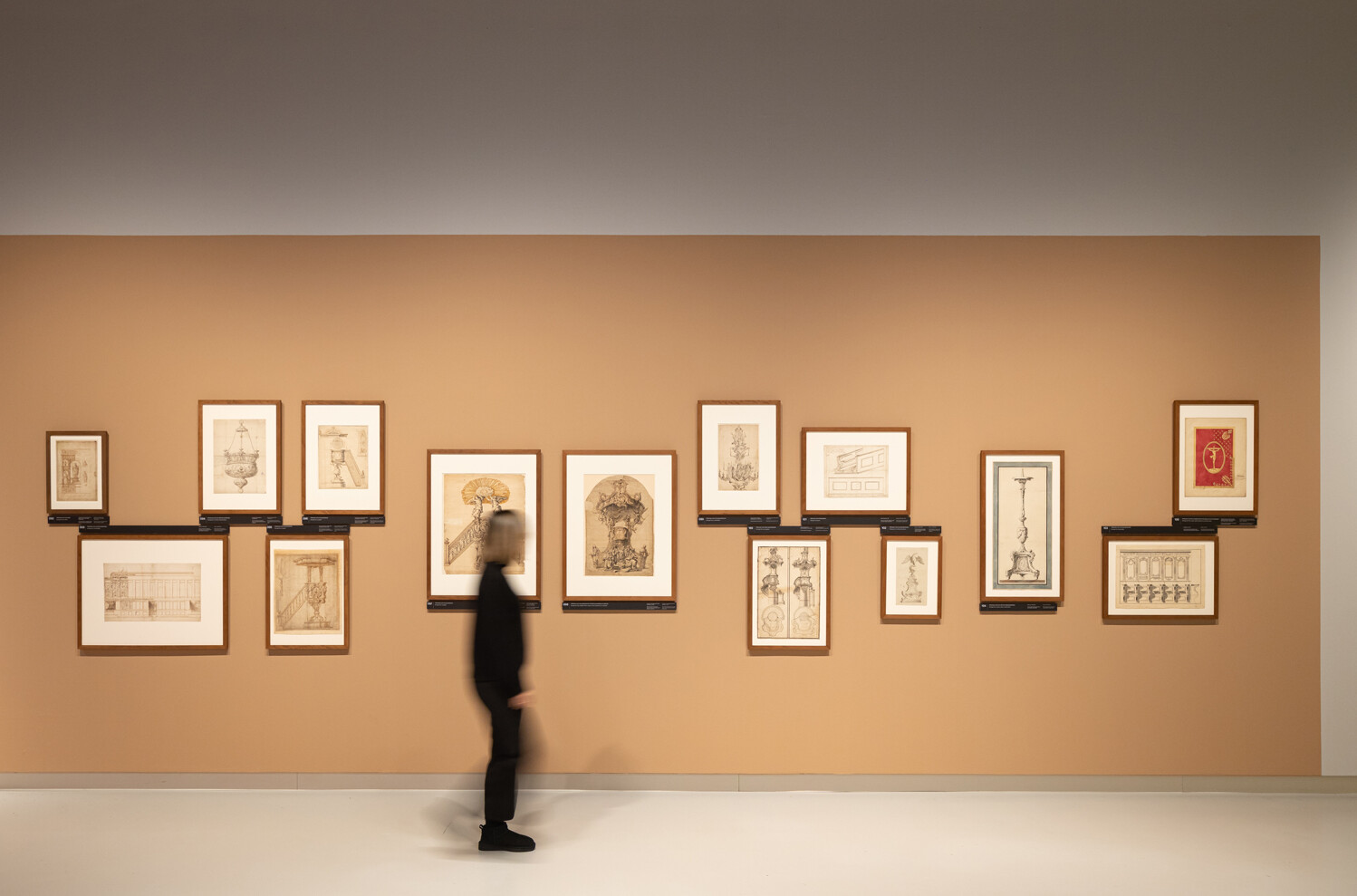
This pioneering exhibition is an opportunity to discover a collection of extraordinary design drawings from the Rijksmuseum. The drawings, which date from the period 1500–1900, have been brought together for the first time and are arranged according to the successive stages of the design process. The focus here is not on big artistic names, but on the crucial role that drawings have played in design. We watch from close-by as the ideas for all sorts of items are formed and we also get to meet their inventors, makers and patrons. Drawings of vases, chairs and clocks, stoves, sledges and carriages are shown, from the first rough pencil sketches to beautifully worked-up and colourful presentations. The drawings in this exhibition were recently acquired by the Rijksmuseum in Amsterdam, where they belong to a special collection established by Senior Curator Reinier Baarsen. He offers us a unique insight here into the role that drawing has played in the design process, as well as the superb drawings it has produced.

Designing means drawing, then and now
The English word “design” derives from the Italian disegno, meaning drawing. Drawings were – and still are – an integral part of the process of conceiving, designing, executing, selling and subsequently documenting design objects. Without drawings, there would be no art; without drawings, there would be no design. A drawing is often the best way for a designer to communicate an idea to a client or to the person who will execute it. The exhibition makes it clear that beautiful objects from the period 1500-1900 were always first conceived on paper and almost always in advance. And that is not so different from the way products are designed today. When we think of design, we often think of a practice that originated in the nineteenth century. But PROCESS – Design Drawings from the Rijksmuseum shows that the history of design goes back much further than we thought, and that it is much richer than is often assumed.

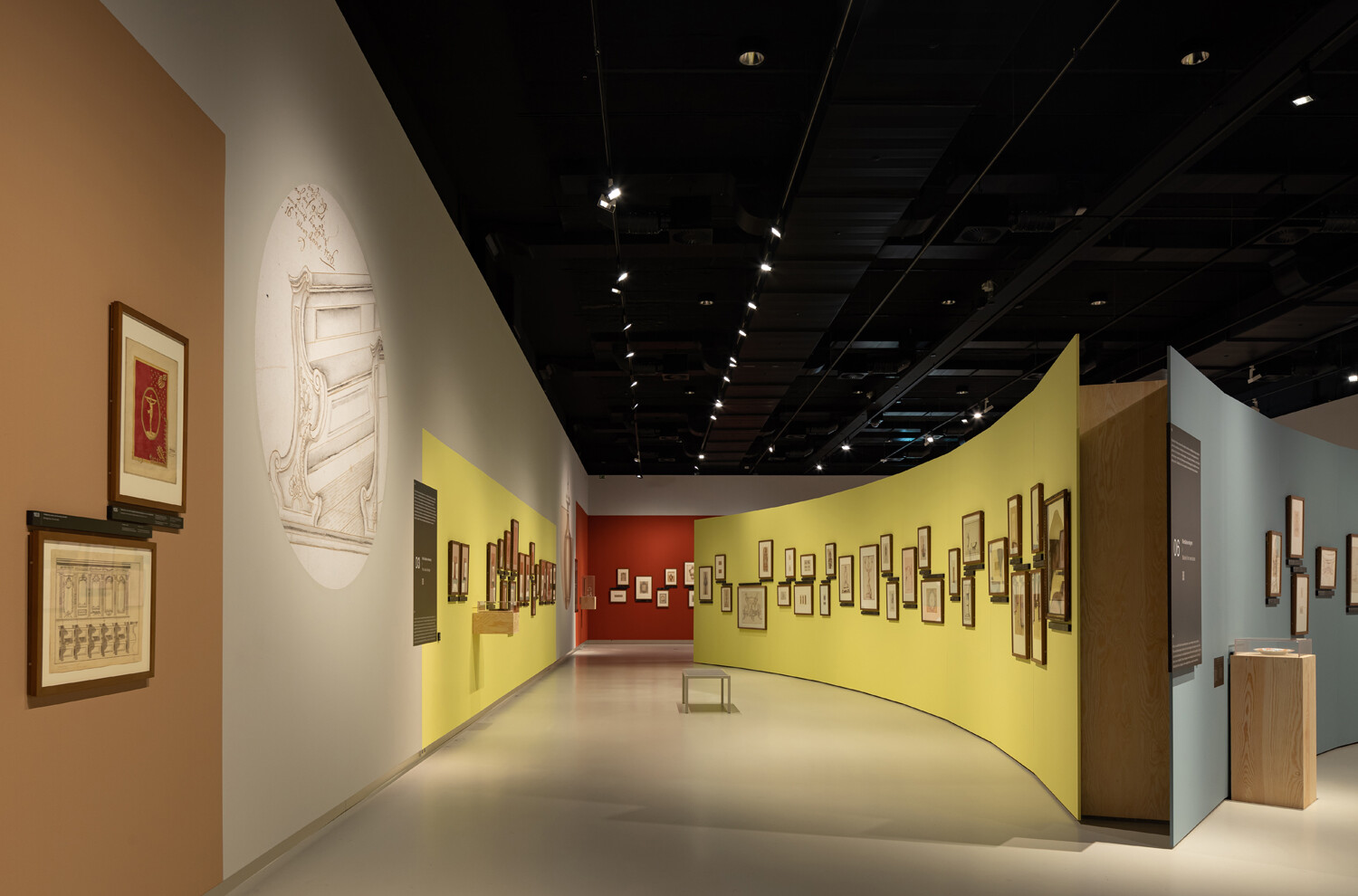
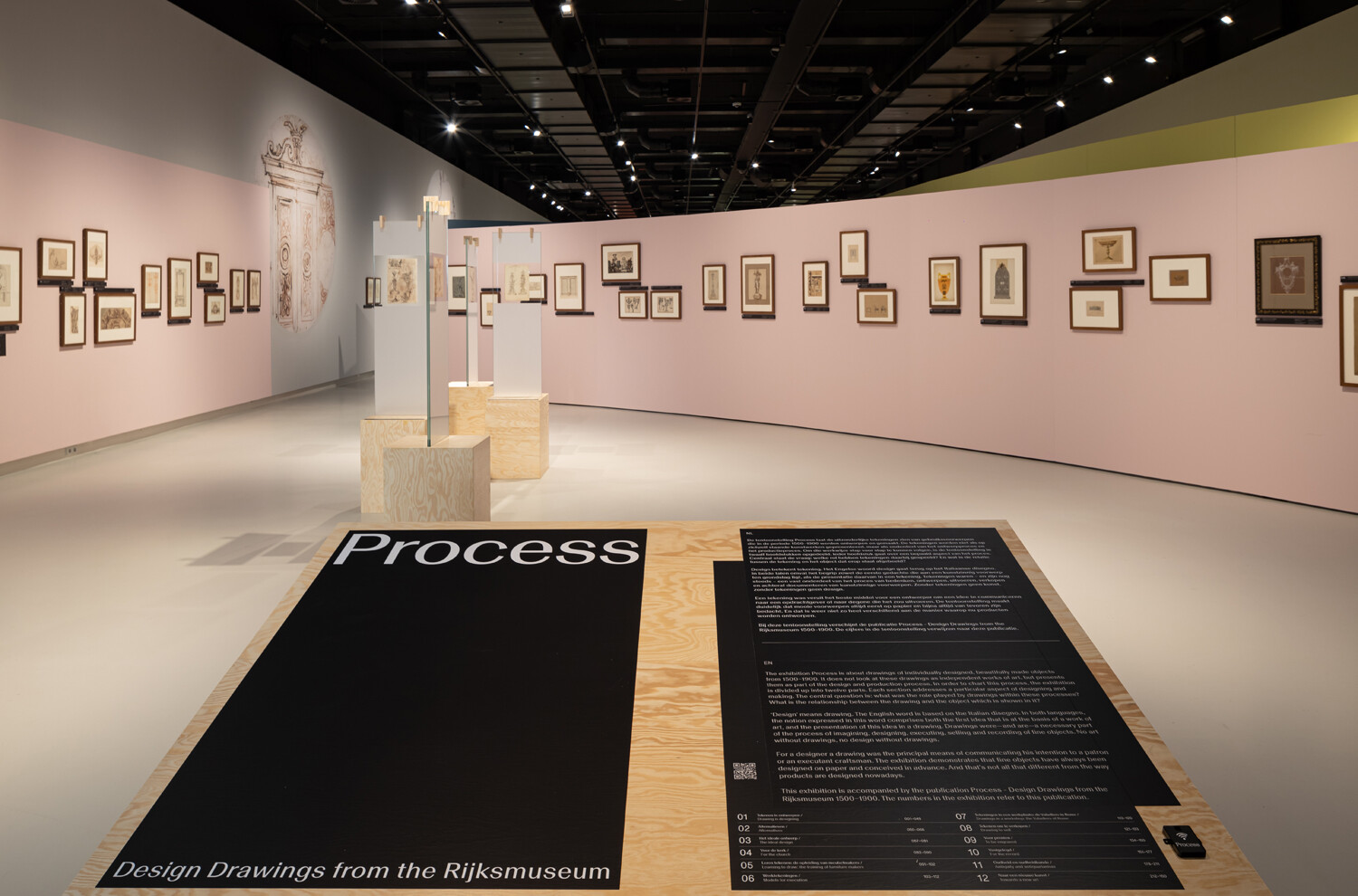
The exhibition displays exceptional drawings of utensils designed and manufactured between 1500 and 1900. The drawings are not presented as standalone works of art, but as part of the design and production process. To enable visitors to follow this process step by step, the exhibition is divided into twelve chapters. Each chapter deals with a specific aspect of the process. The central question is: what role did drawings play in this process? And what is the relationship between the drawing and the object depicted in it? This is the first time that design drawings from this period have been categorised and presented in this way. This creates a whole new perspective on the creative process and the role of drawing in it.
From the workshop to the annual fair
The various sections of the exhibition highlight the different functions that drawings have in the design process. We see how designers put their initial, fledgling ideas down on paper and thus begin the design process. Other drawings show how designers depict two different versions of an object in a single drawing, in order to show the client different options. Between 1500 and 1900, design drawings also had legal significance. For important commissions, such as for a church, the designer was not allowed to deviate too much from the pre-approved drawing. The drawing then functioned as a contract.
The exhibition also shows the role of the drawing in the production process. A notable example of this are the drawings from the goldsmith’s workshop of Luigi and Guiseppe Valadier in 18th-century Rome. They carefully preserved all the drawings used in their workshop, which gives you a unique insight into the role of the drawing in the work process. Of course, drawings also had a commercial role; they were sent throughout Europe and taken to annual fairs to sell products.

The collection of design drawings is made possible by the Decorative Art Fund/ Rijksmuseum Fonds and all individuals who have contributed to its formation.


