

Visit duration: 30 - 60 minutes
Jamie Reid (1947-2023) was a British artist, designer and activist. Reid is known worldwide for his design of the iconic record sleeve Never Mind the Bollocks, Here’s the Sex Pistols (1977), which bound him inextricably to punk. Yet the designs from punk’s heyday represent only a small part of his body of work.
From 27 June 2026, Design Museum Den Bosch presents the first exhibition in the Netherlands dedicated to this activist and politically engaged artist. Expect a selection from Reid’s oeuvre spanning a remarkably diverse range of work: from activist zines and anarchist collages of the seventies to films, spatial installations and mystical paintings from the years that followed.
Fifty years on from the rise of punk – and with it Reid’s breakthrough – the museum explores the key role his activist work and outlook on life played in the history and world of graphic design. Meet a political artist who spent his entire life fighting against the suffocating grip of consumer society and striving for an alternative life lived in freedom. More than anything, he wanted to build a new world on the ruins of the old.
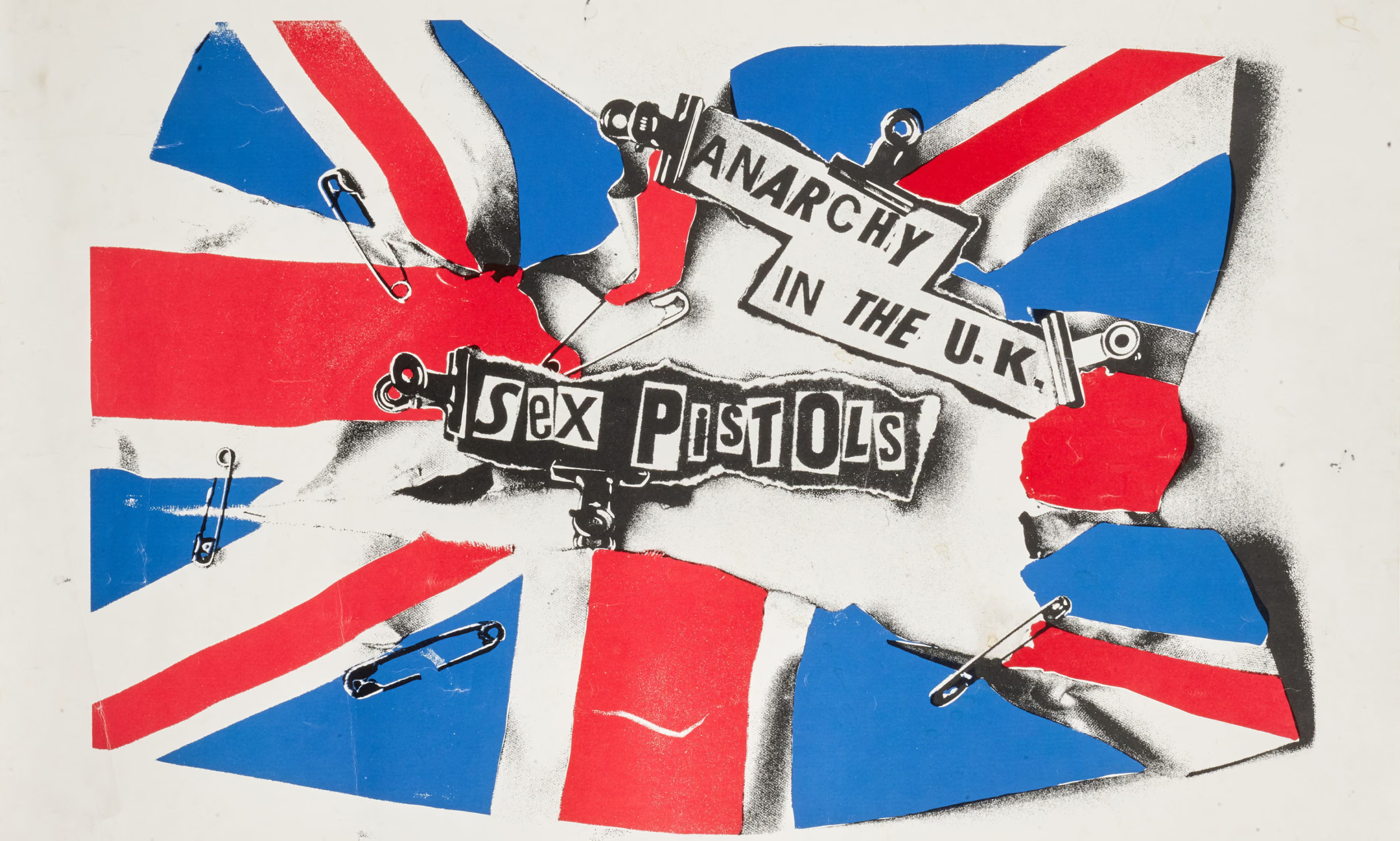
Fifty years of punk and protest…
In 1976, exactly fifty years ago, the British punk band the Sex Pistols went on tour. They were quickly boycotted across virtually the whole of England, owing to their shocking language and aggressive behaviour. Jamie Reid provided the iconic visual language of the band and, with it, of punk itself: a radical DIY aesthetic – raw and reproduceable – that was emulated by generations of designers and spurred them towards action and engagement. After punk, Reid chose not to capitalise commercially on those notorious years, but instead pursued a life of activism as an artist. He protested in word and image against the policies of Margaret Thatcher’s cold-blooded politics, the war in Iraq – which he viewed as perverse – and the arrest of Pussy Riot and the rise of Putin.

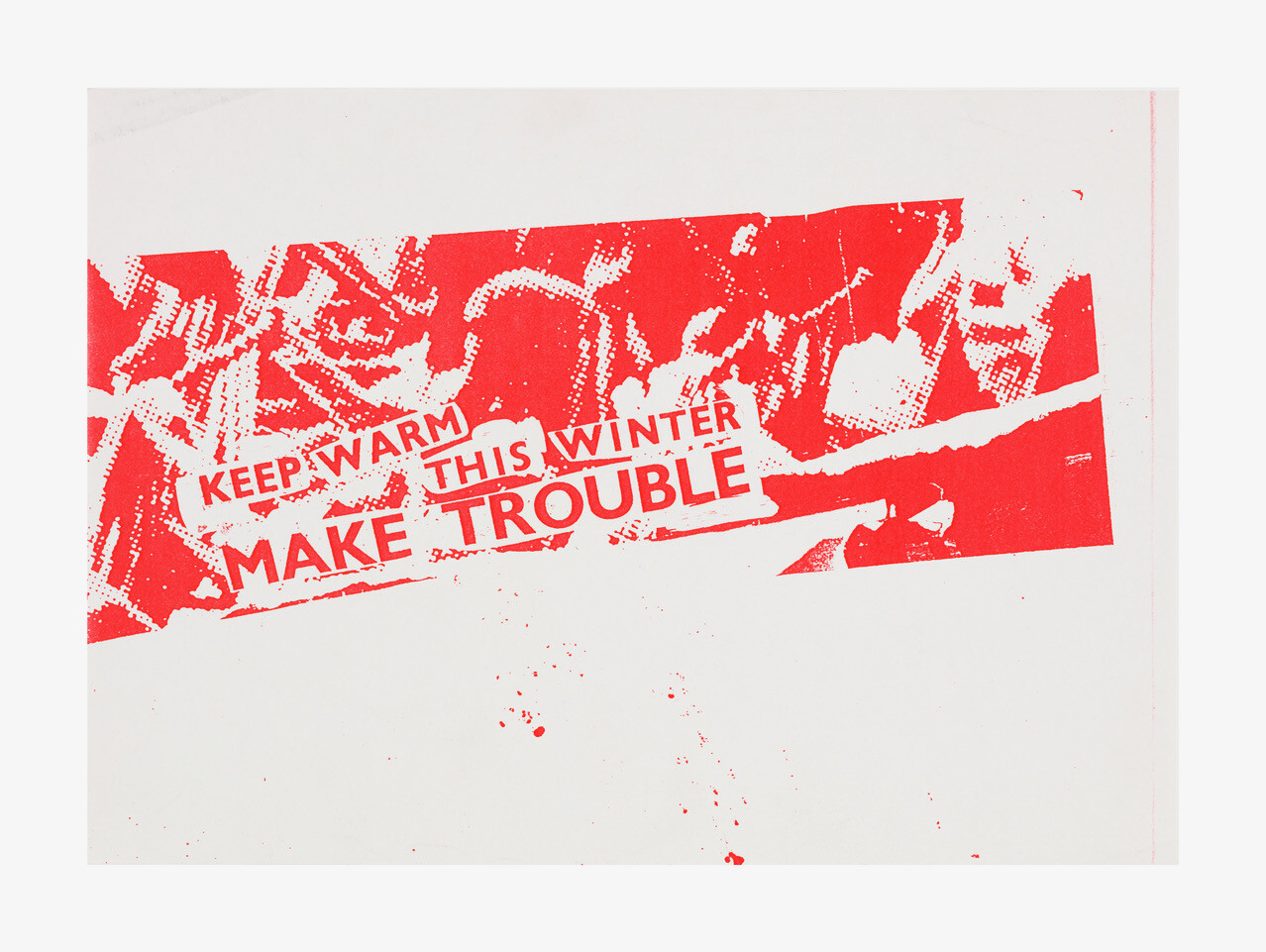

… and nature and freedom
In all of this, Jamie Reid never saw himself as a solitary artist but worked with others on art in service of a social purpose. In doing so, he did not merely protest; his work also called for a life and a society in harmony with the environment and with nature, and put forward proposals for how that might look. Alongside his activism, the exhibition therefore also showcases his esoteric and spiritual work. Drawing on his family’s tradition of pagan nature religion, Reid made ecological art, built tipis as a symbol of community spirit, and painted large banners for processions and druidic rituals. With these works, the exhibition reveals the two sides of the same coin in Reid’s life: activism and mysticism. Punk stood for protest and the call to dismantle a conservative, commercially driven society; his mystical work was a proposal for freedom and natural harmony.

Jamie Reid Archive
For this exhibition, Design Museum Den Bosch worked in collaboration with the Jamie Reid Archive / John Marchant Gallery in Brighton. John Marchant worked alongside Jamie Reid for over twenty-five years and is responsible for archiving, cataloguing and making available this collection, part of which is held at The Florence Institute (‘The Florrie’) in Liverpool.

Jamie Reid: Believe in the Ruins is curated by Timo de Rijk. The exhibition design is by Jan Konings.


