Designing the Nation State
Visiting time: ●●● Long (90 minutes)Nationalism is the most influential ideology of the modern world. Even those who don’t eat an orange tompouce on King’s Day understand what ‘typically Dutch’ directness or gezelligheid means. And who could possibly imagine a world without passports, borders and citizenship? The fatherland is the highest authority and may demand anything from you. Our nationality seems entirely self-evident, rock-solid even. But it is not.
The nation state is a relatively recent invention, in which design plays a major role. National banknotes and government buildings are rightly considered prestigious design commissions. The authority of the state leans on designed symbols and rituals: the national flag, the national anthem, the coat of arms. By now, states have become a kind of marketing company. With commercial campaigns, tourist attractions, and social media, they attempt to conquer their own piece of our collective consciousness. Our lives are filled with well-known and lesser-known designs that remind us where our loyalty ought to lie.
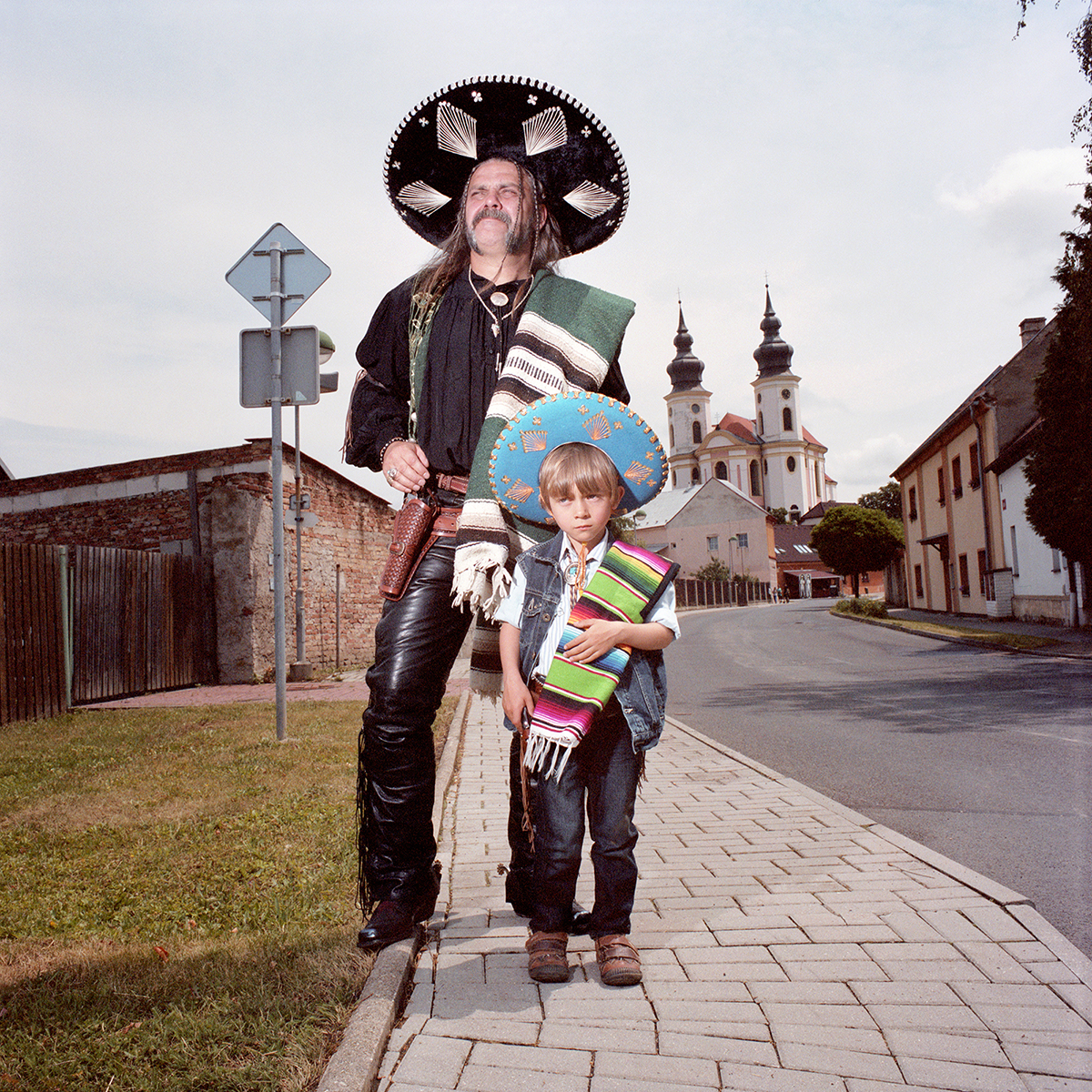
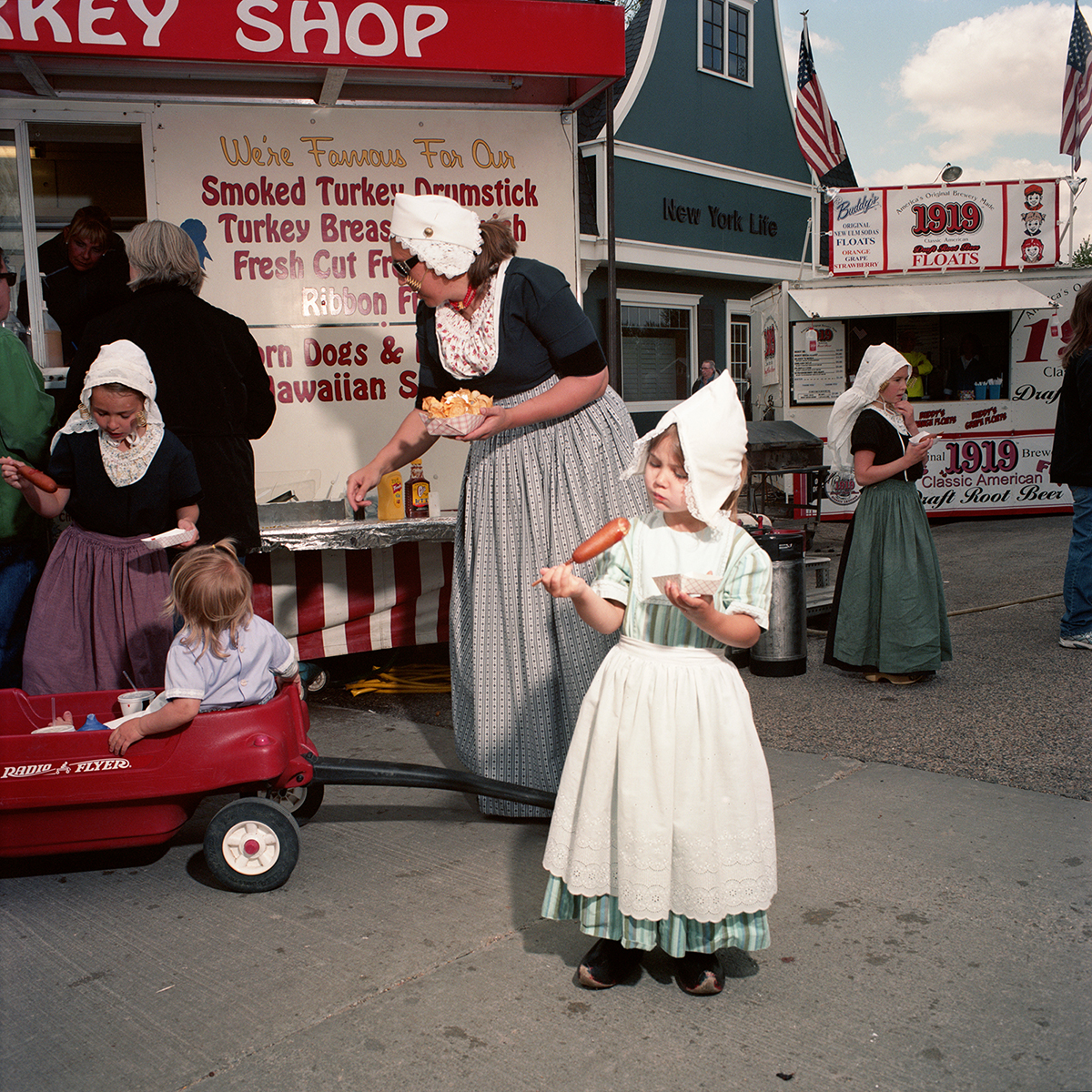
The exhibition Designing the Nation State examines for the first time this relationship between design and the nation state. What is a state, who has the right to found a state, and which designs are needed for this? How does something become a national symbol, and who gets to decide? Despite its rigid reputation, national identity proves to be malleable and changeable. National symbols lay claim to eternity, yet are nevertheless subject to debate anew in every generation. To this very day, nationalism is a driving factor in bloody wars of conquest and democratic movements for equal rights. With flags, models, costumes, photographs and maps from dozens of different countries, Designing the Nation State presents for the first time a comparative design history of the nation state – the most important invention of modern times.
Designing the Nation State is made possible by the support of Stimuleringsfonds Creatieve industrie,
Stichting de Zaaier,
Vfonds,
Cirrus Foundation,
Stichting Zabawas,
Gilles Hondius Foundation,
Leonardus Stichting,
the province of Noord-Brabant,

municipality ‘s-Hertogenbosch,
the Friends, Members and Patrons of the museum and Club Design.