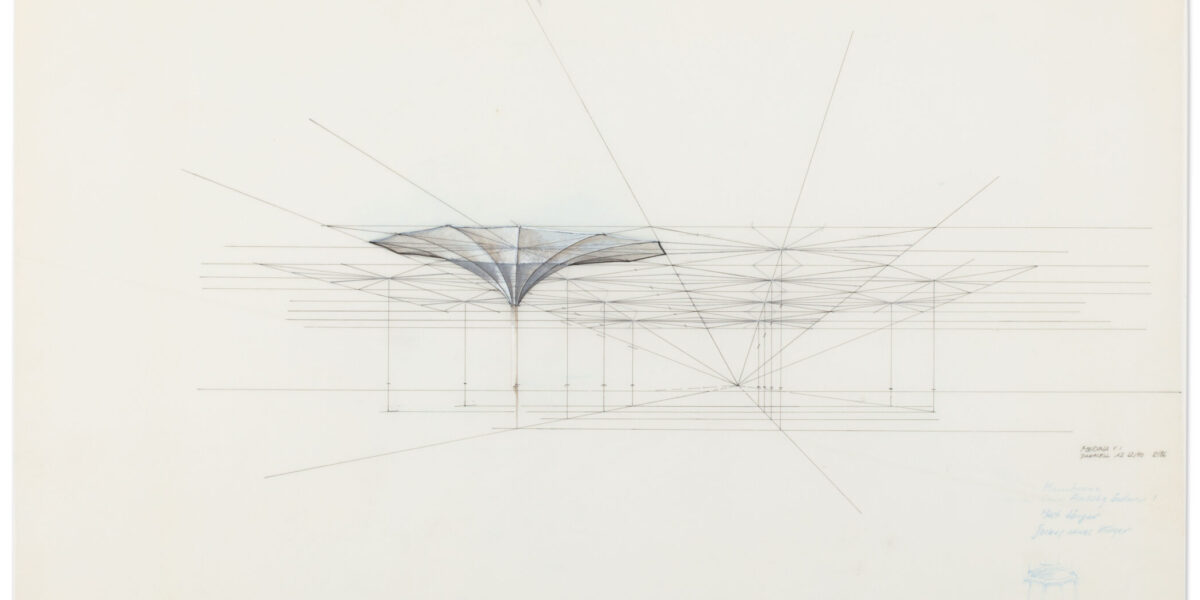
Researcher and architect Ali T. As’ad conducted extensive archival research in Stuttgart, at the studio of Dr. Mahmoud Bodo Rasch. Discover his findings and his personal connection to this research in this exclusive article.
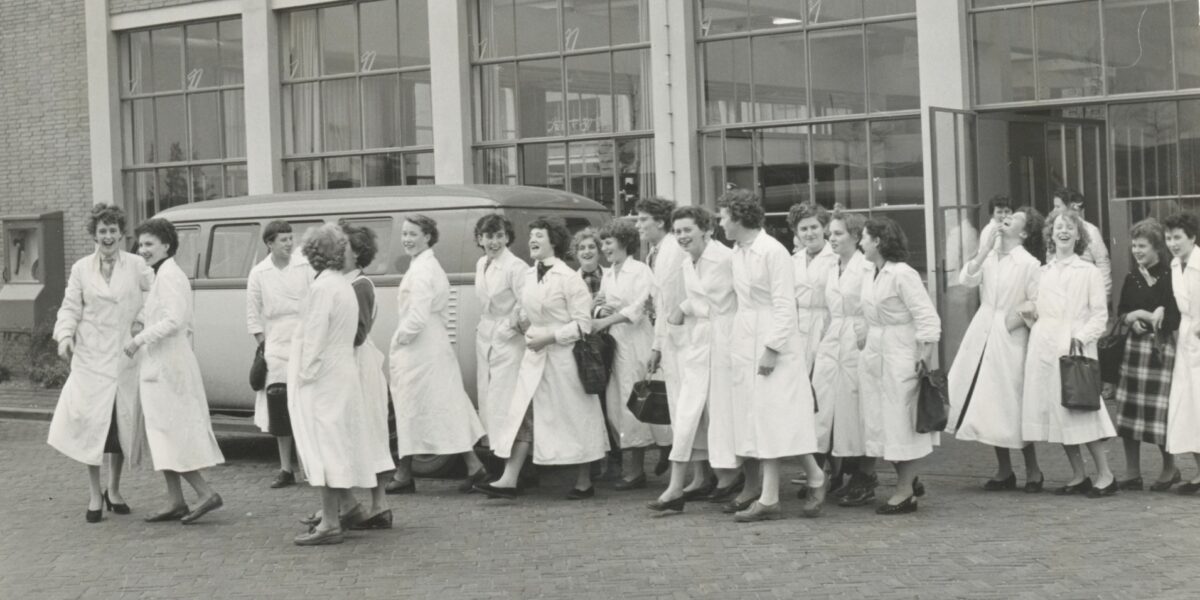
Researcher and curator Lua Vollaard wrote an exclusive article for the Third Floor about her findings from the archival research on the Philips semiconductor factory in Nijmegen. How did the “neat girls” with “manual skills,” who played a crucial role in making microchips in Nijmegen, disappear from the history books?
Tim Gouw is a writer and stay-at-home dad. He writes and speaks about (equal) parenthood and the division of roles that comes with it. Exclusively for the Third Floor, he wrote an essay within the framework of the subtheme Women as Homemakers from the exhibition Women as Technology. He wonders: if artificial intelligence (AI) is…
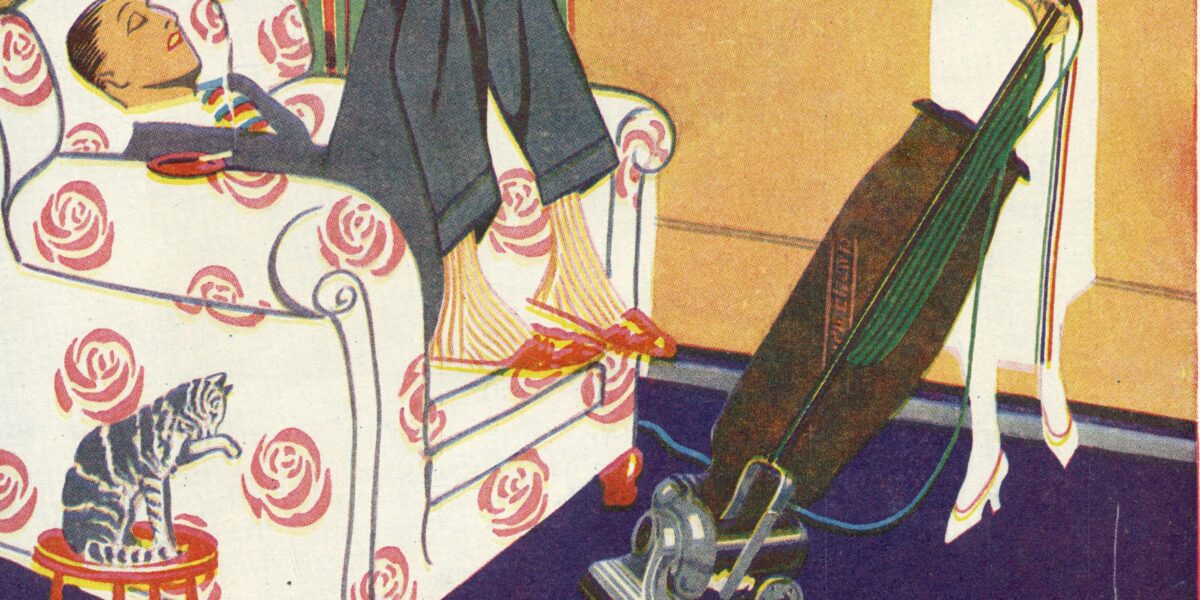
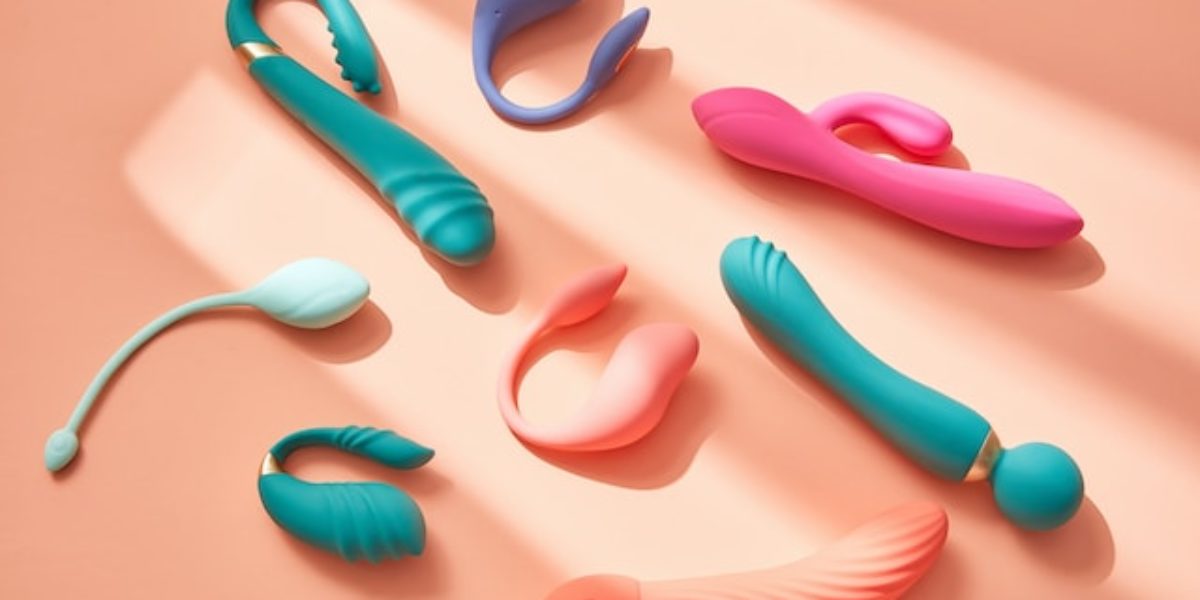
Sex historian and journalist Hallie Lieberman explores a Dutch design legacy of sextoys. In this exclusive article for the Third Floor, she writes how Jandirk Groet, designer of Fokker airplanes, partnered with American feminist porn director Candida Royalle to create Natural Contours.

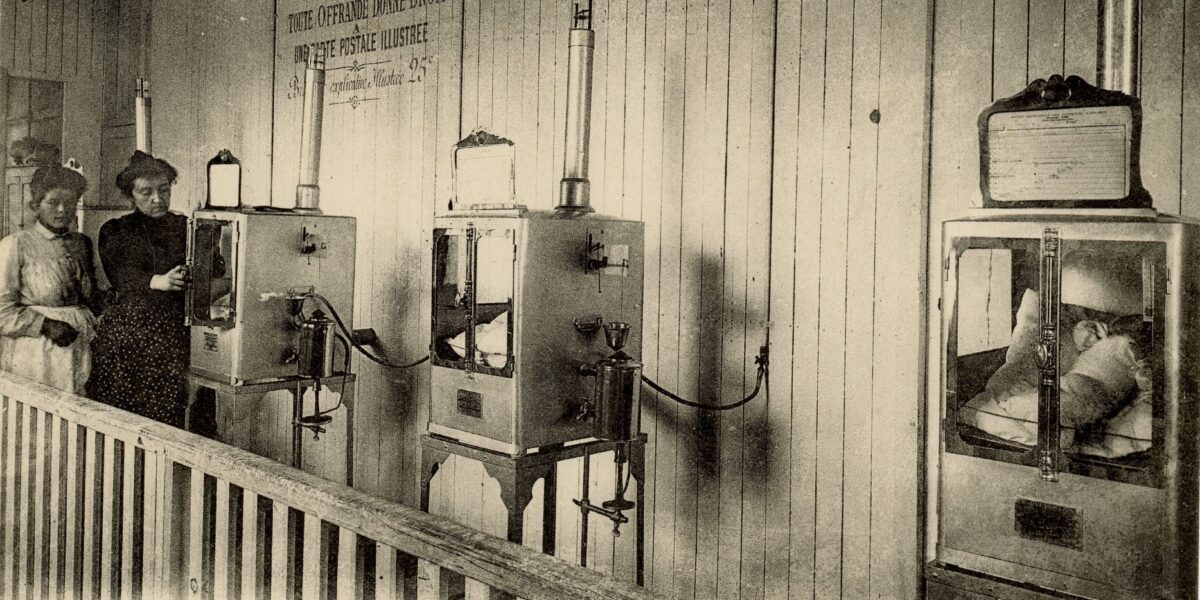
Thijs Gras is a historian and ambulance paramedic. He has published several books on the history of ambulance care, but he also maintains a particular interest in the history of incubators. Exclusively for the Third Floor, he wrote an article on the phenomenon of the ‘incubator as attraction’, in conjunction with the exhibition Women as Technology.
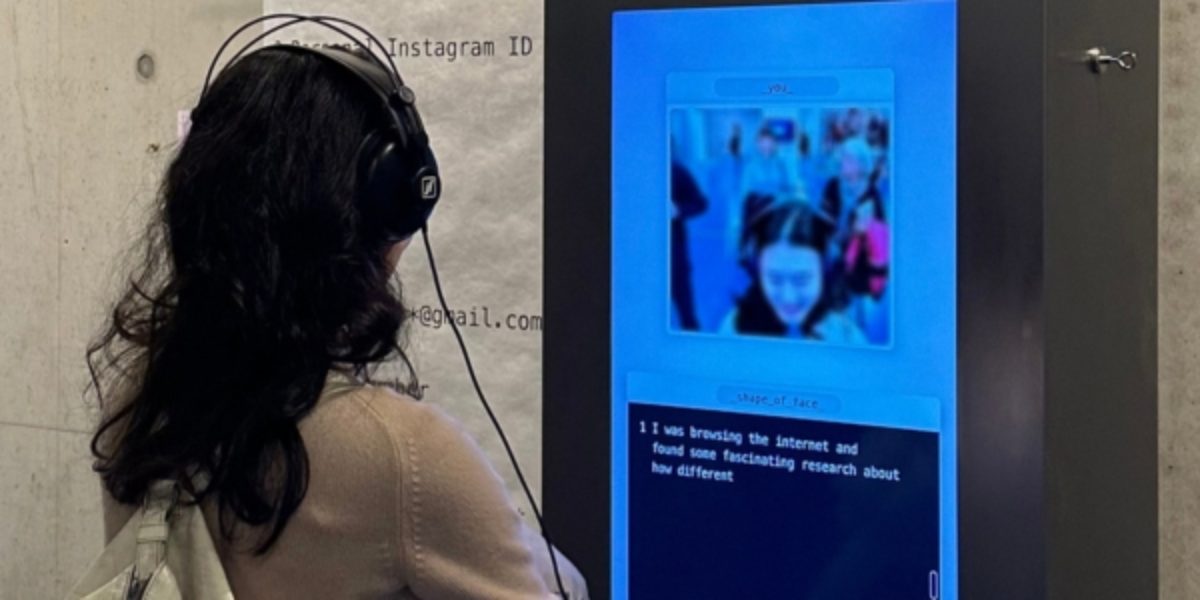
Bee (Seungbee) Han developed the Bee Machine. A machine that judges potential friends on the possible success rate of the friendship.
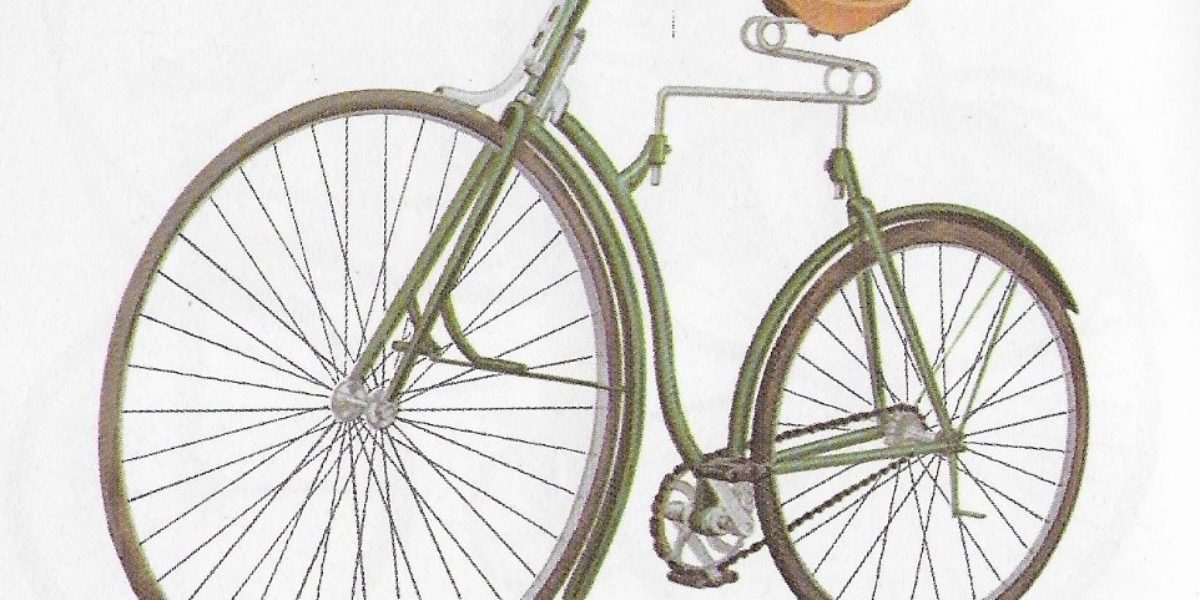
How did bikes evolve? Where did the Netherlands fit in around 1900? And what role did Fongers of Groningen play?
Annemiek Koers was responsible for the world’s most aerodynamic production car in 2022. She wrote an essay on calculating aerodynamic forces and what simulations are involved.
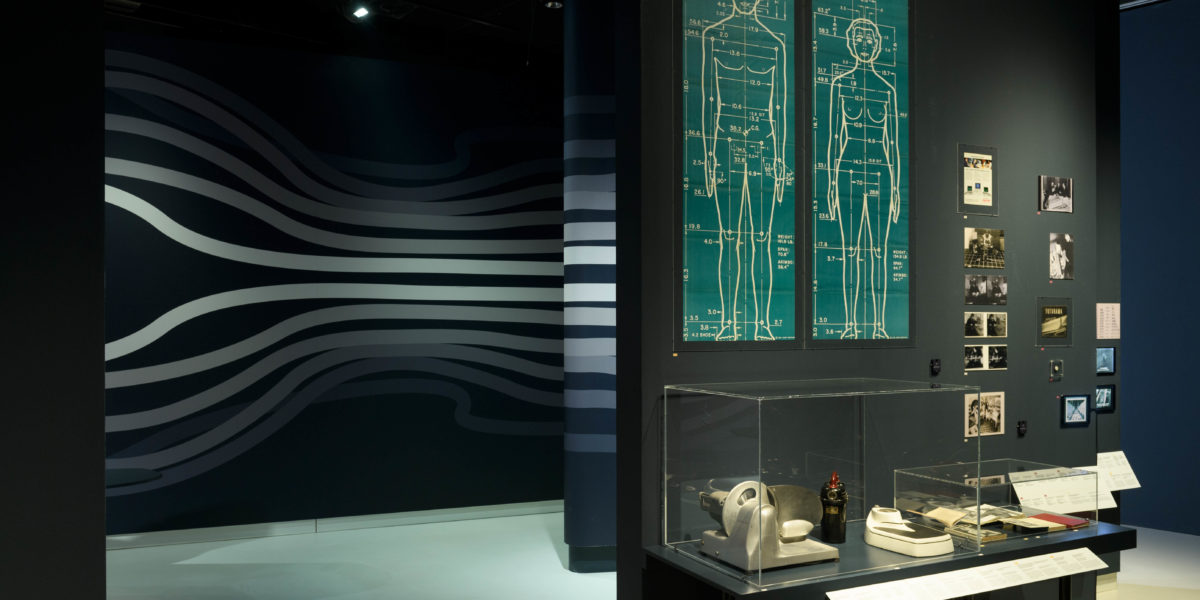
Christina Cogdell wrote a short essay for the Third Floor on eugenics as social streamlining.
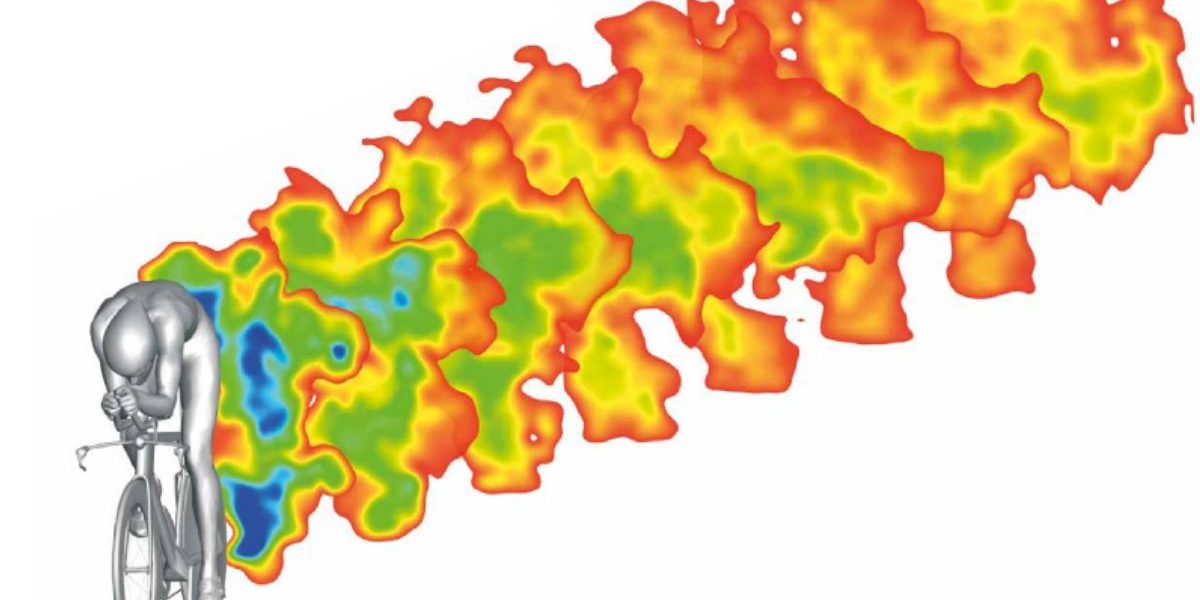
Flow visualisations of four sports in which fluid mechanics is crucial: cycling, speed skating, skeleton and swimming.
In an age where our lives are inextricably tied up with new techniques and technologies, it’s important to pause from time to time to reflect on how these things are influencing both us and our society.

The location symbol is a genuine cultural phenomenon, but since the rise of social media, it’s also been part of who we are (or would like to be) as a person. Which is why we’re often oblivious to the dangers that it embodies.
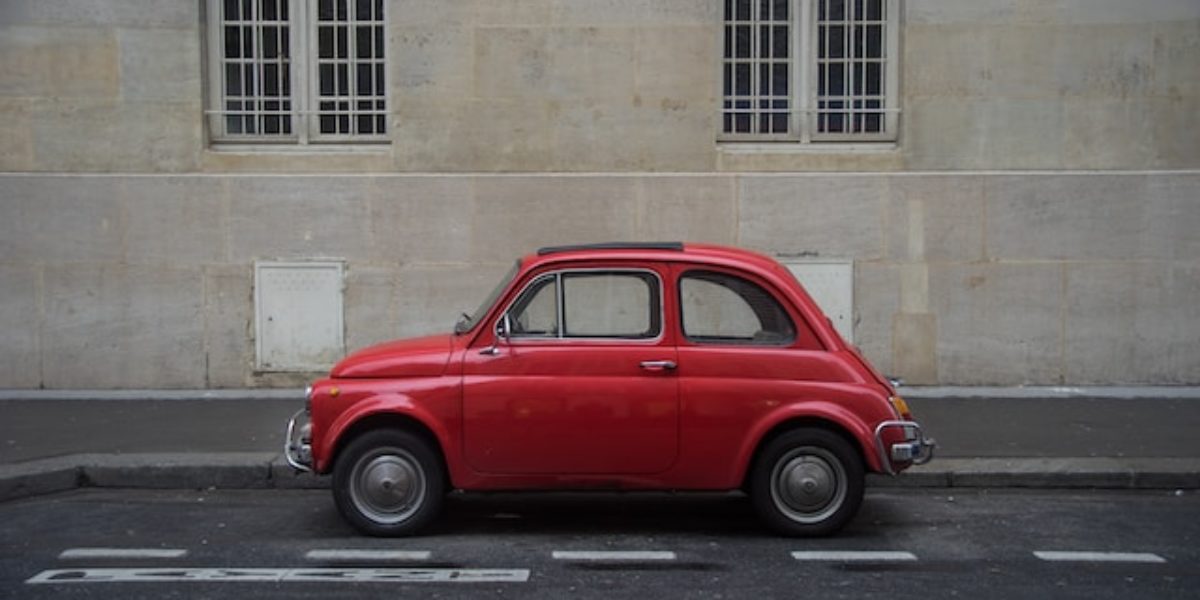
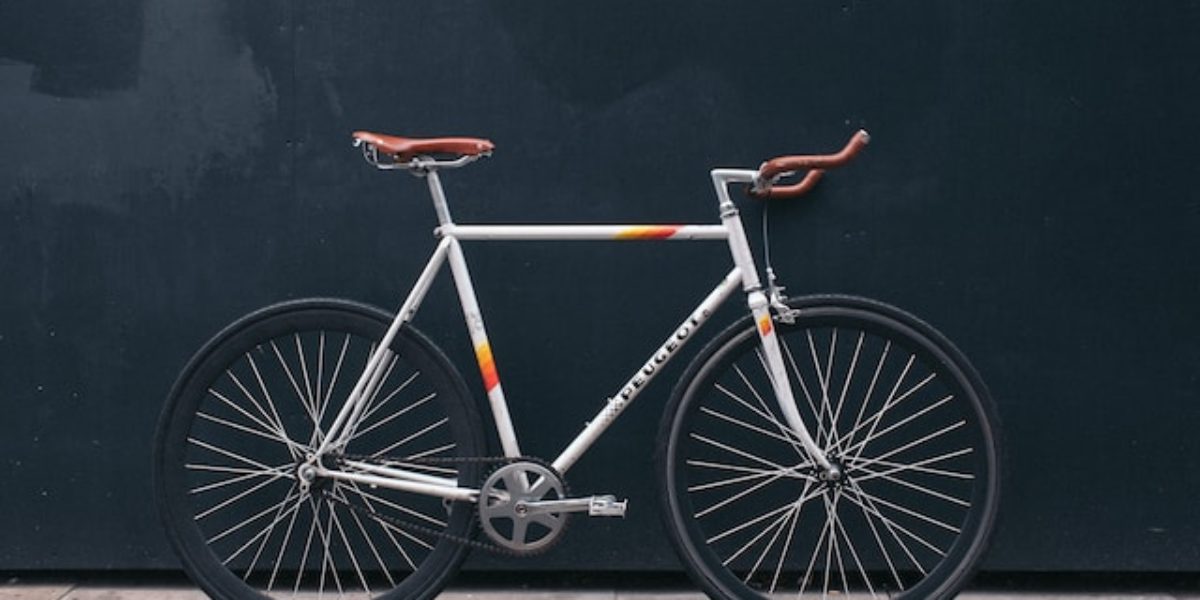
To some people, a bike is just a simple form of transport. To others, cycling is a way of life.
For many people, the ring has a symbolic meaning. To them it’s much more than ‘portable wealth’.

Modern military helmets bear little resemblance to the old, gleaming models with their crests swaying in the breeze. How did they develop? And what specifications does the Dutch Ministry of Defence impose for combat helmets today?

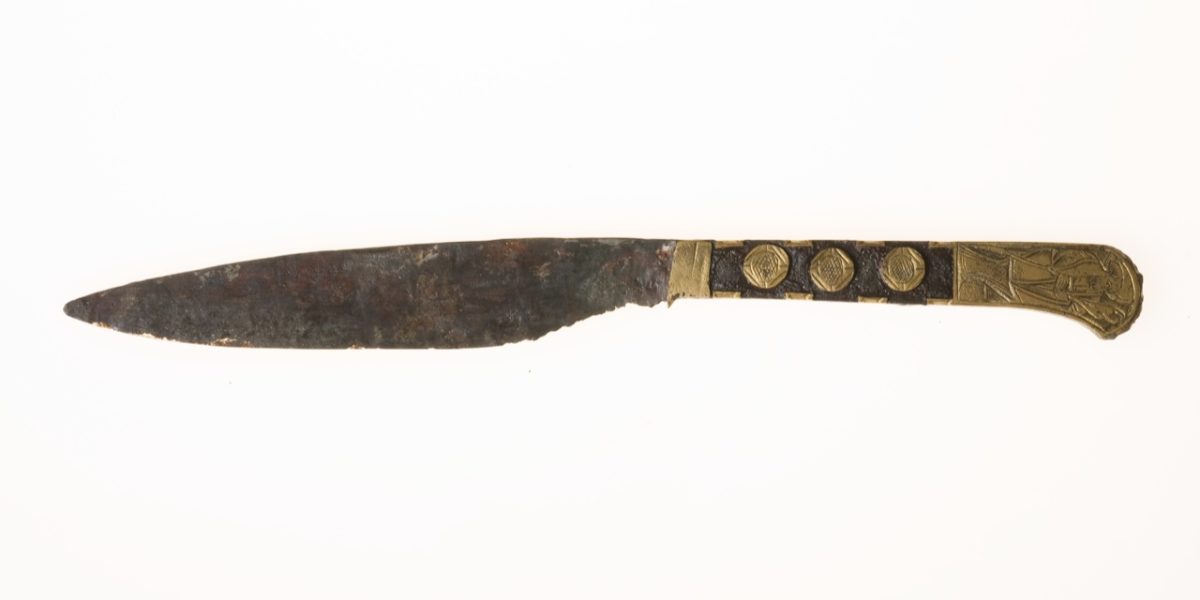
Nowadays a knife and a fork are laid out neatly on either side of your plate. Go back a few centuries, though, and there was no fork to be seen. Knives and forks originated in their own ways, a development illustrated by archaeological finds.
I have over a hundred houseplants in my house. So I couldn’t do without a watering can – it’s part of my standard equipment as a plant lover and gardener.

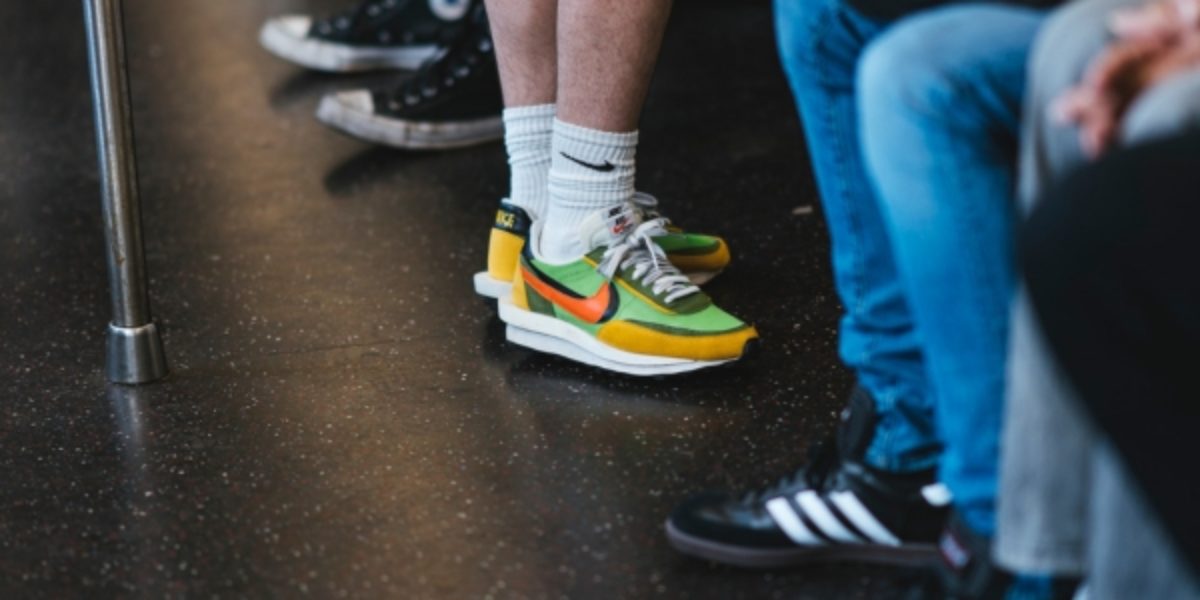
Someone in sneakers is a familiar scene, but still somewhat remarkable. Less than half a century ago, it would have been unthinkable to walk around in the street like that wearing sports shoes.
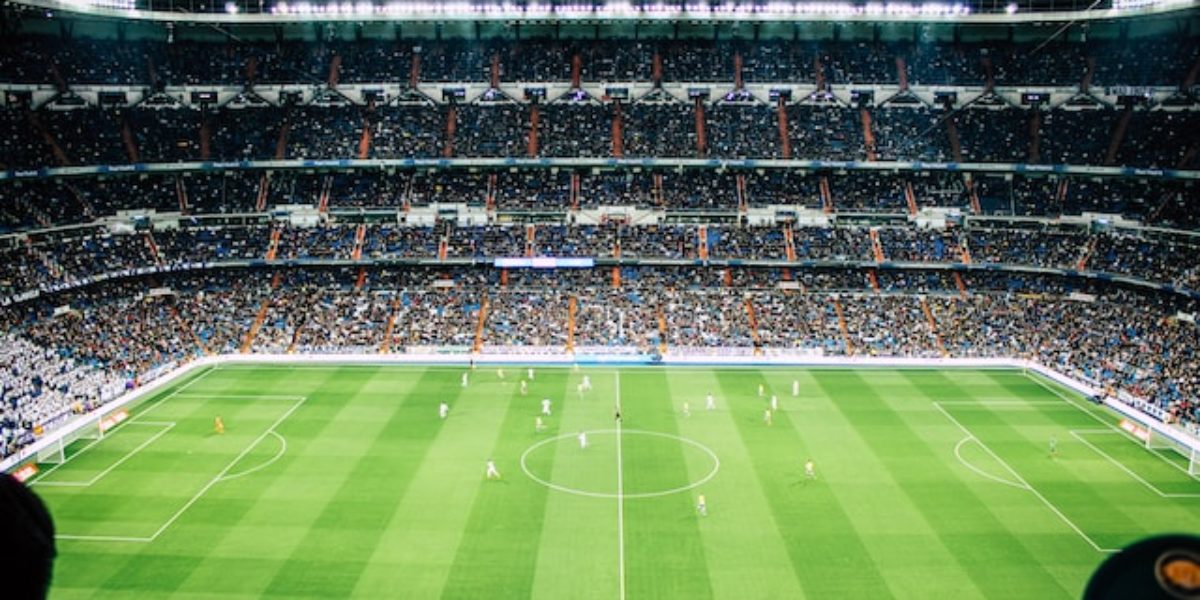
Sebas van Aert is a journalist and podcaster. He studied philosophy and played in NAC Breda’s youth football team. For the Third Floor, he wrote the article below. As soon as the whistle blows and the ball starts to move, the noise of the outside world fades away. Thoughts sink into the background, your head…
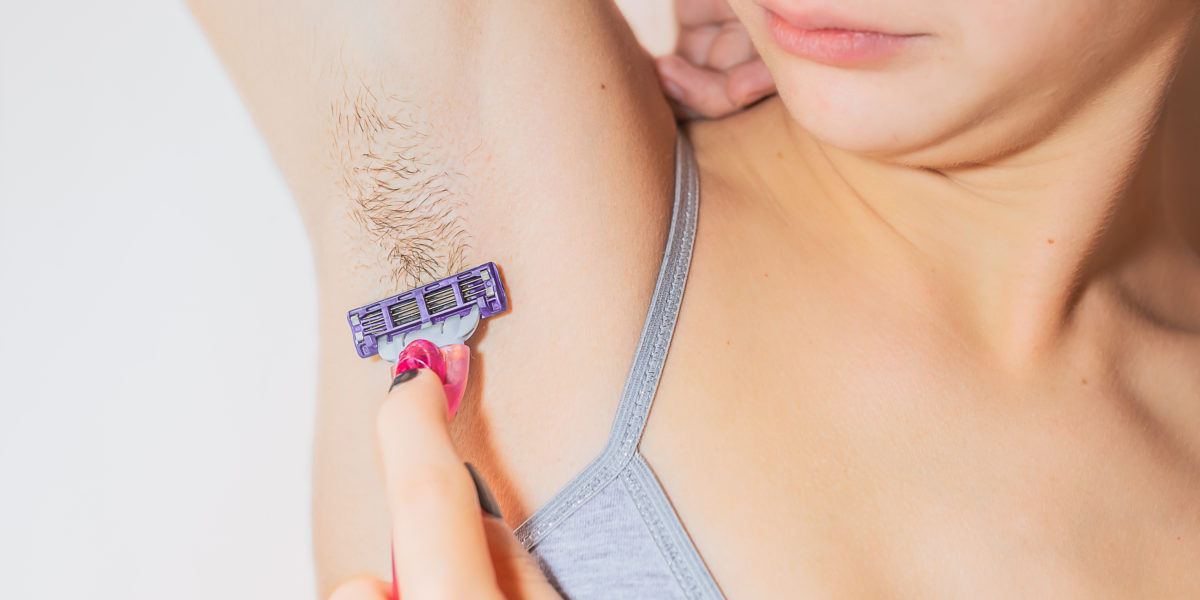
Hair removal, whether partial or full, goes back to time immemorial. But what impact has it had on us as human beings?

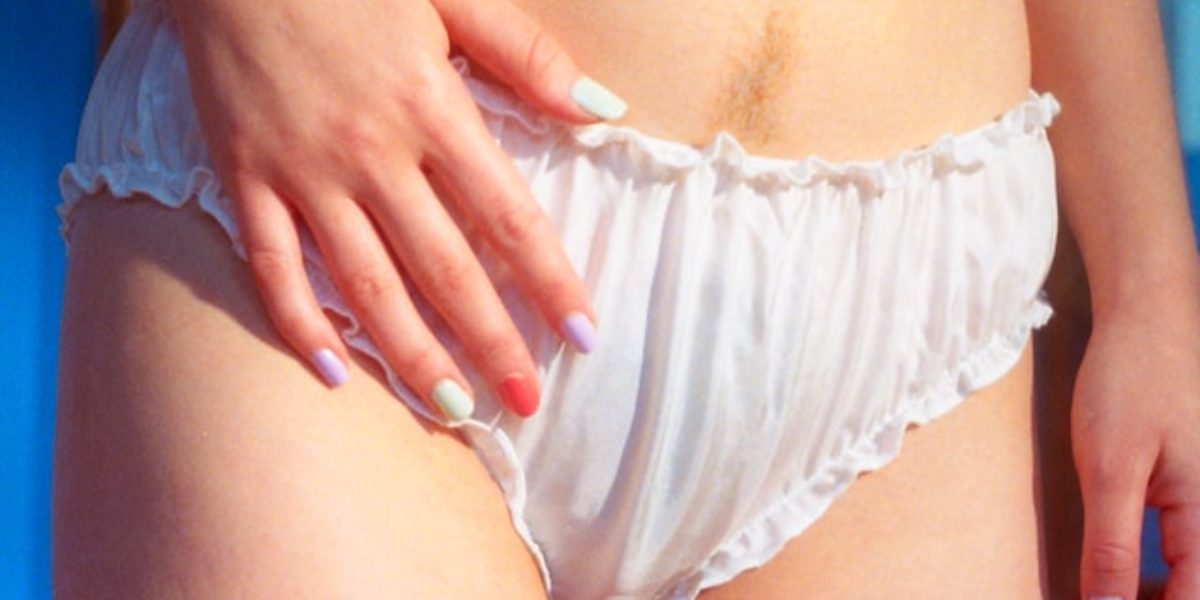
One moment a broad waist is fashionable, the next moment everyone wants a narrow waist. Sometimes underwear can help achieve that ideal shape.
‘As long as your hair is right’ sang the Dutch band Vulcano in 1983. A history of hairstyle.

Modern advertising presents us with ideas about gender and shaving that are mostly western and binary.
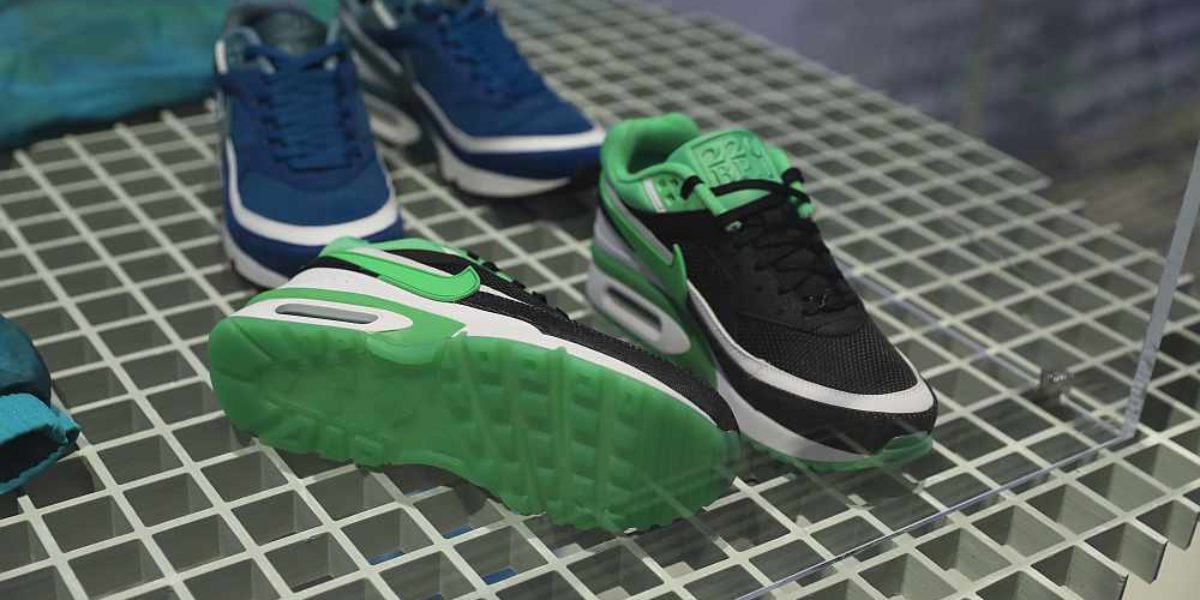
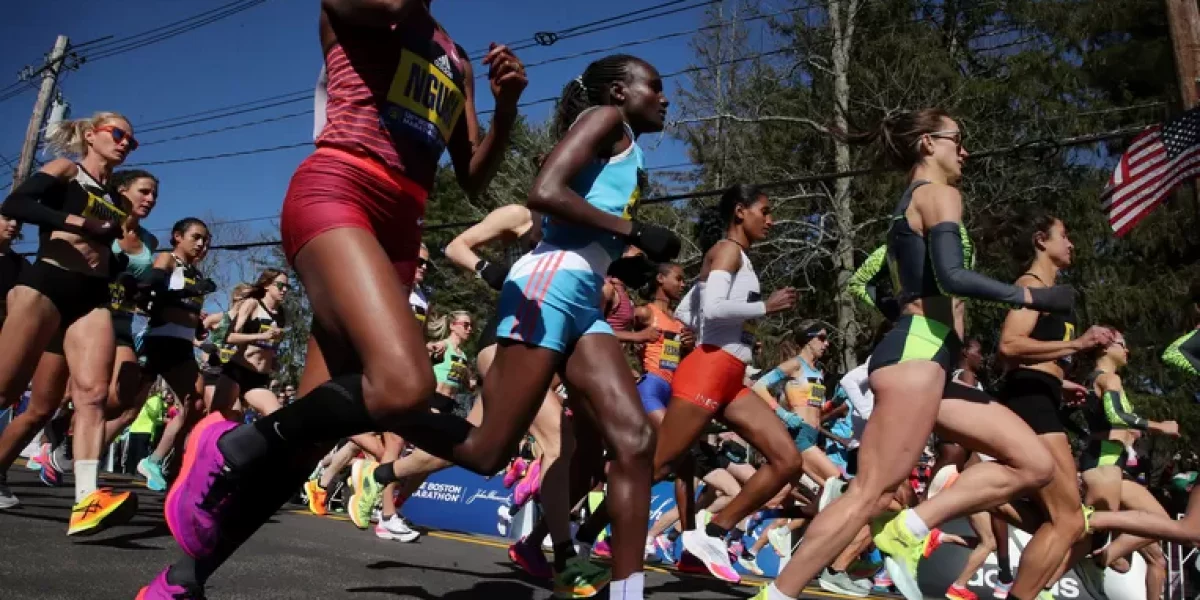
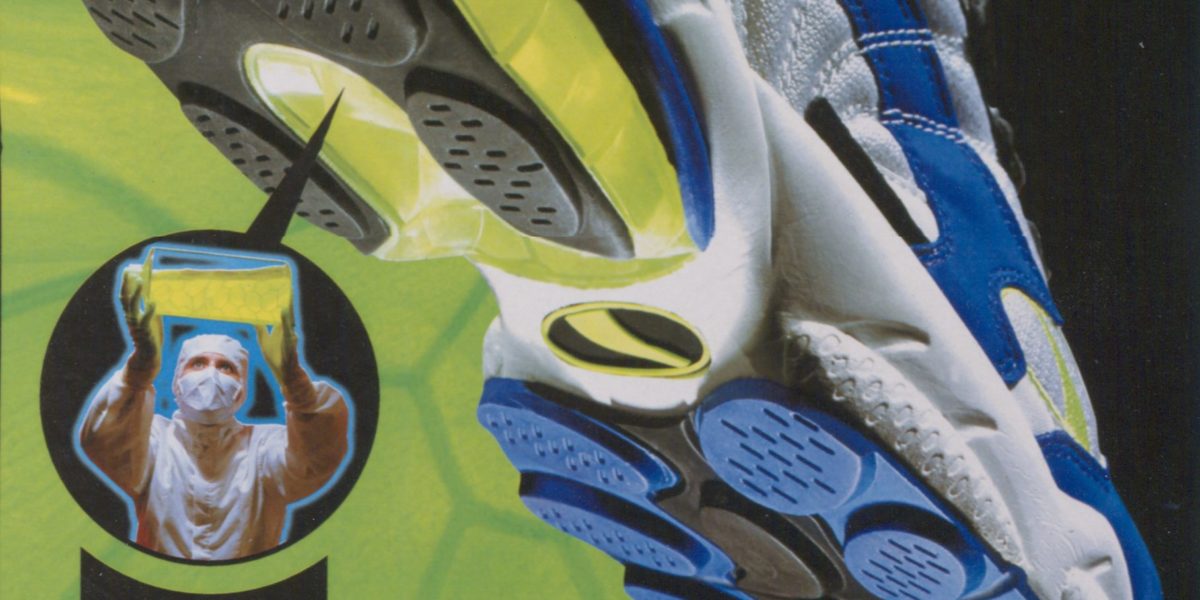
Today’s sports shoes are designed to keep improving your performance, which goes hand in hand with technical innovations and science.
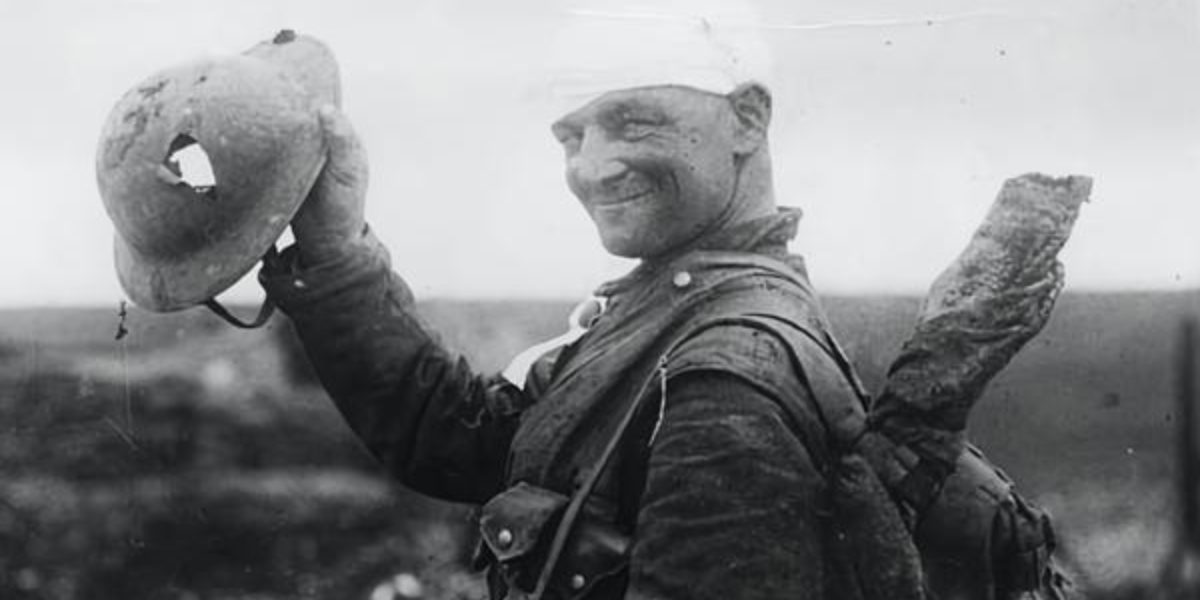
Although your skull provides natural protection for your brain, the cranium cannot withstand a hard impact caused by an accident or a bullet.
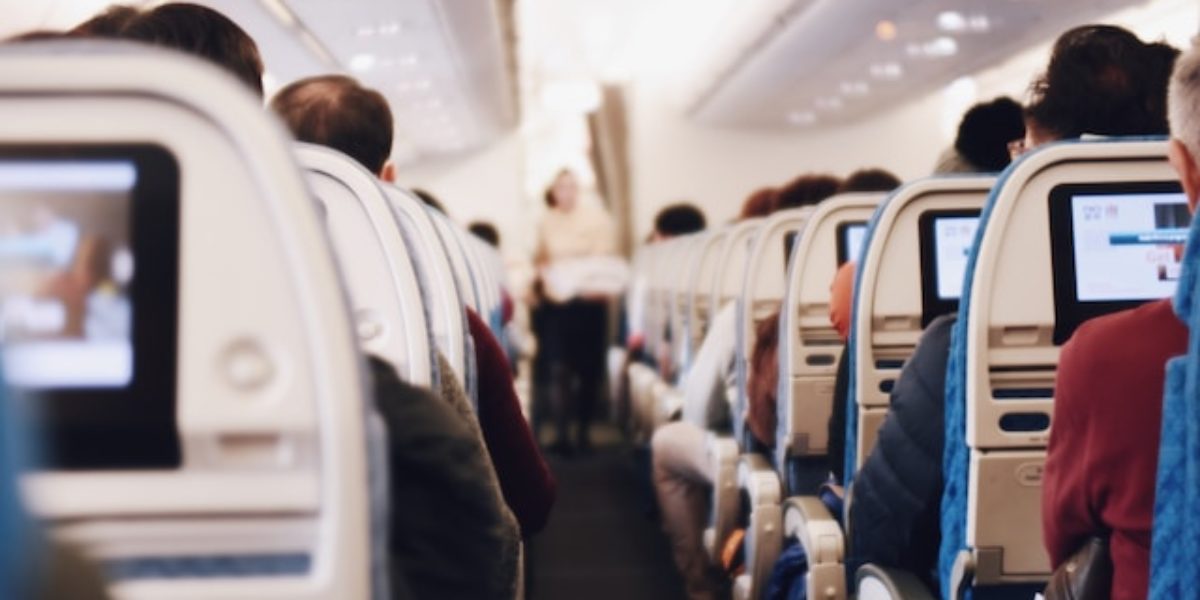
As we travel, we are cut off from the world around us and often move so fast that we cannot even see who is driving next to us.
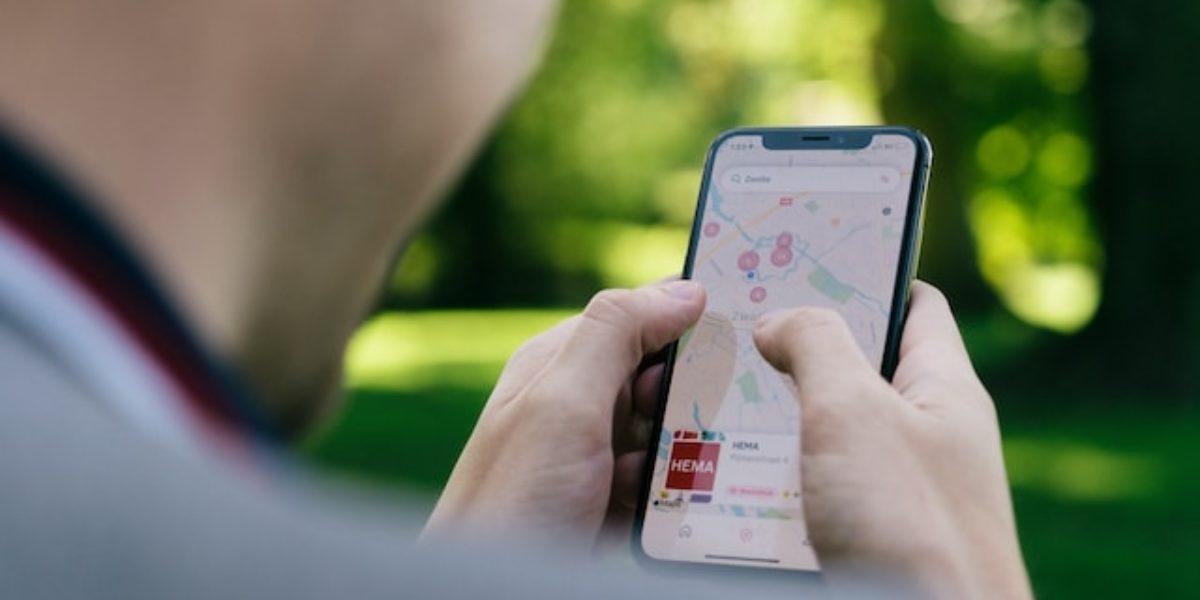
A dot, an arrow or a pin on a map on your smartphone: these are what you use nowadays to indicate where your body is located. But does anyone still remember the phone box?
Design crosses the threshold of our bodies more often than you might think.
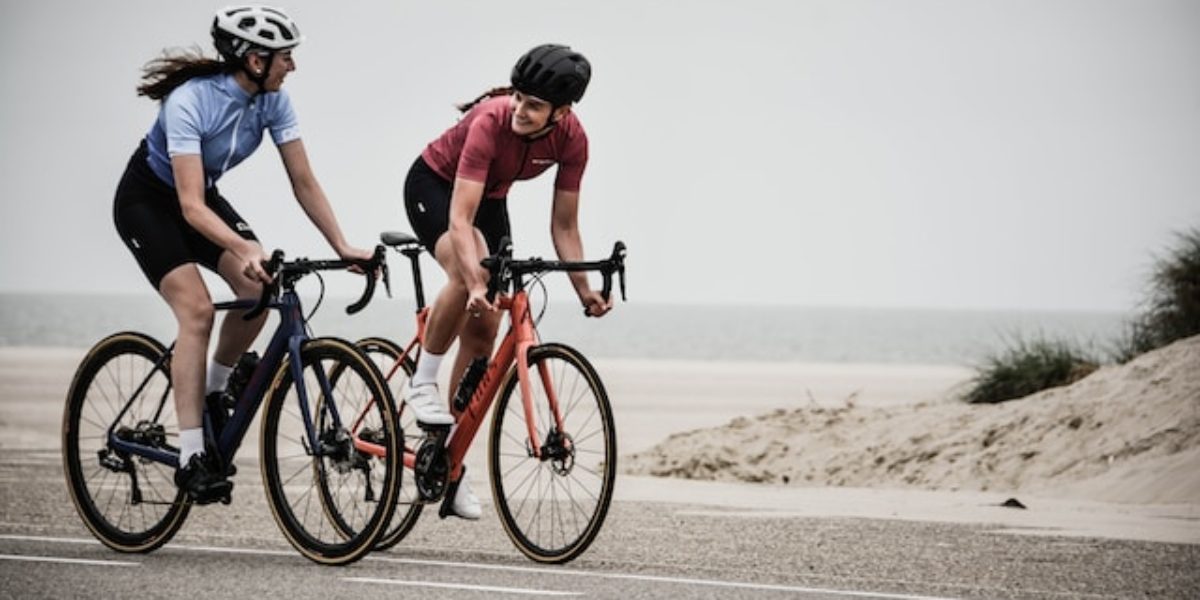
In other countries, the bike tended to be associated after the turn of the century with the working class. Queen Wilhelmina’s penchant for cycling meant that in the Netherlands, by contrast, bikes continued to be used by all levels of society. They have been seen as ‘typically Dutch’ ever since.
Rings are worn directly on the skin, but they are also visible to everyone. They make it easy to display your affinity with another person or a particular group.

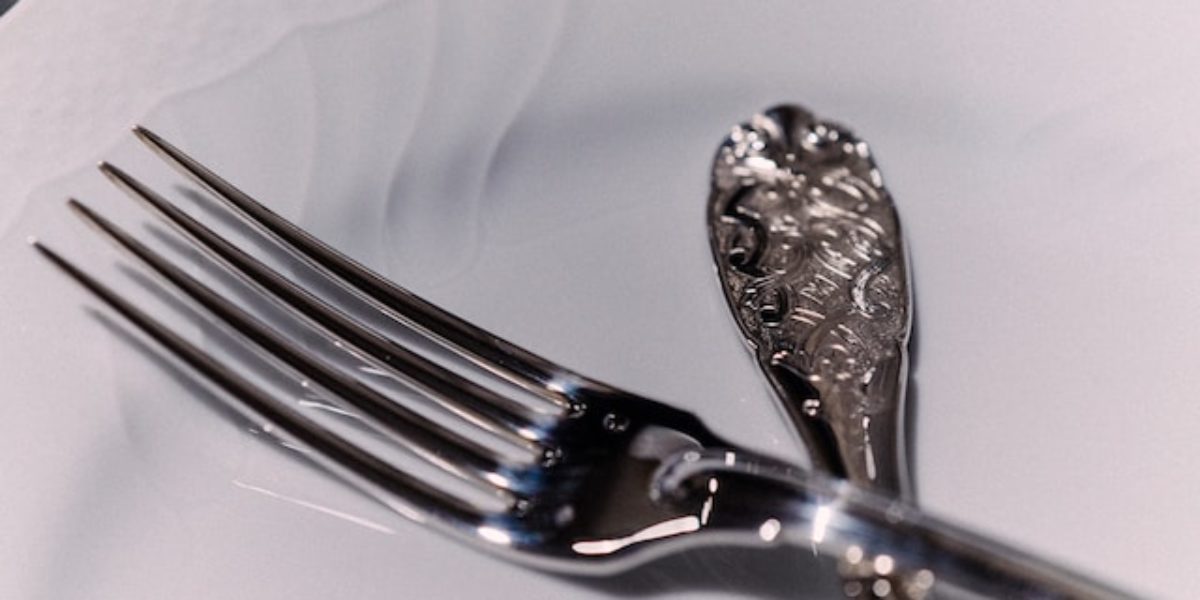
For many of us, eating with a knife, fork and spoon is entirely natural.
We dig, plant, rake and water the garden, and then leave it to grow. The watering can has become a typical and familiar design in this regard.

The rules determine not only the game in general, but also how the player is permitted to move the ball around the pitch.

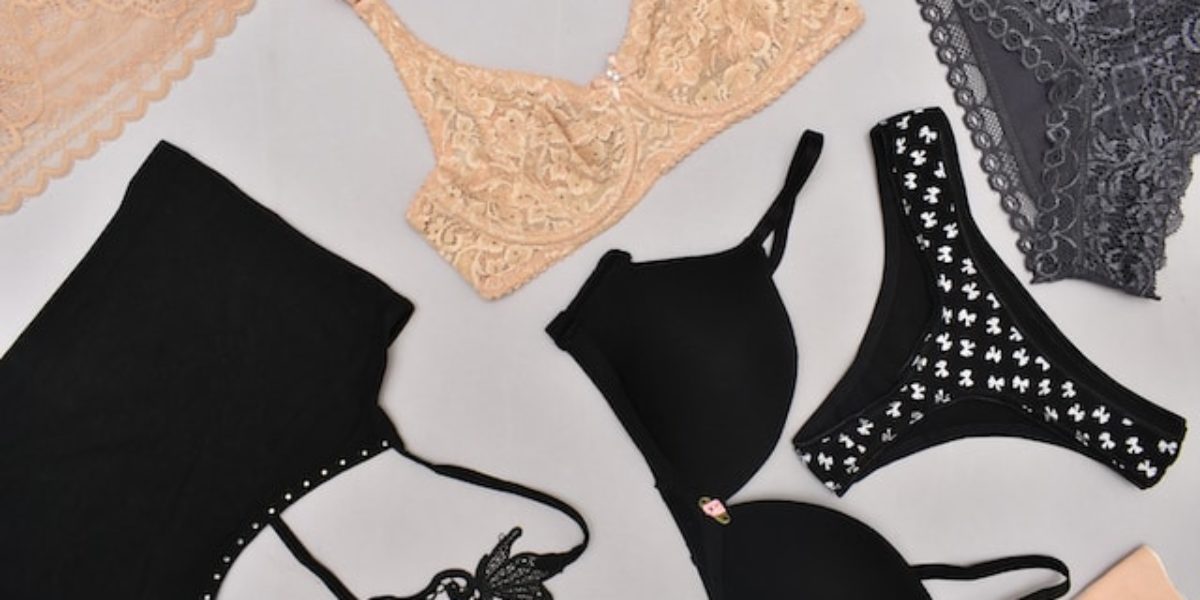
Curvy bottom and hips, wasp waist or gym-honed figure: the image of the ideal body has changed a lot over the centuries. Underwear helps people get as close as possible to that perfect image.

Heera Shin researched the development of metaverses and avatars and asked herself: how do we care for this growing number of avatars, our digital identities?
As not to get left behind as digitalisation rapidly develops, FashionUnited has compiled a selection of terms and words that are imperative to understanding this vast new realm.
Nancy Bocken is professor of Sustainable Business at Maastricht University. For the Third Floor, she interprets the impact of the fashion industry on the environment and she shares tips on how both the government, sneaker brands and sneaker lovers can make more sustainable choices.
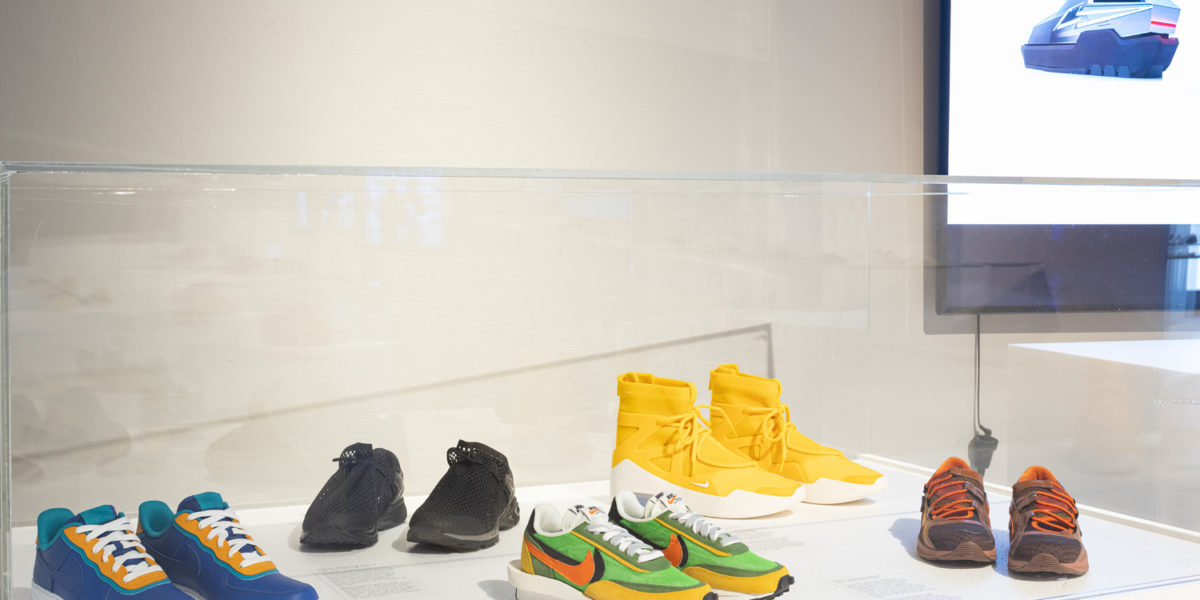
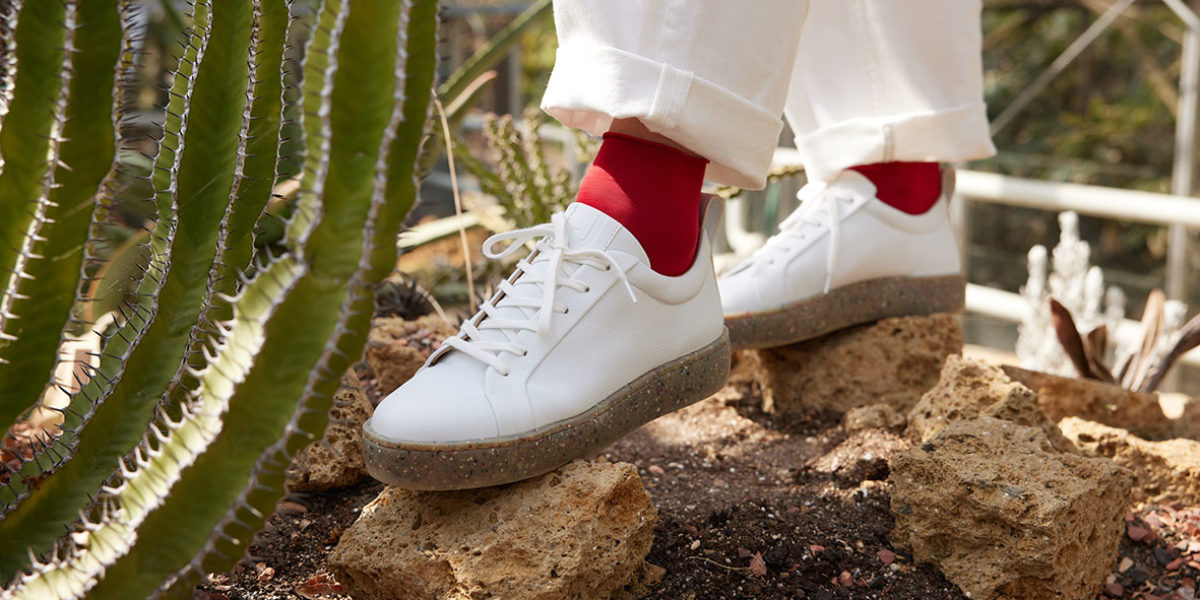
Shoes made from sustainable materials such as apple leather, mushroom leather and recycled rubber are increasingly seen as an alternative to animal leather. What is the potential and what are the challenges?
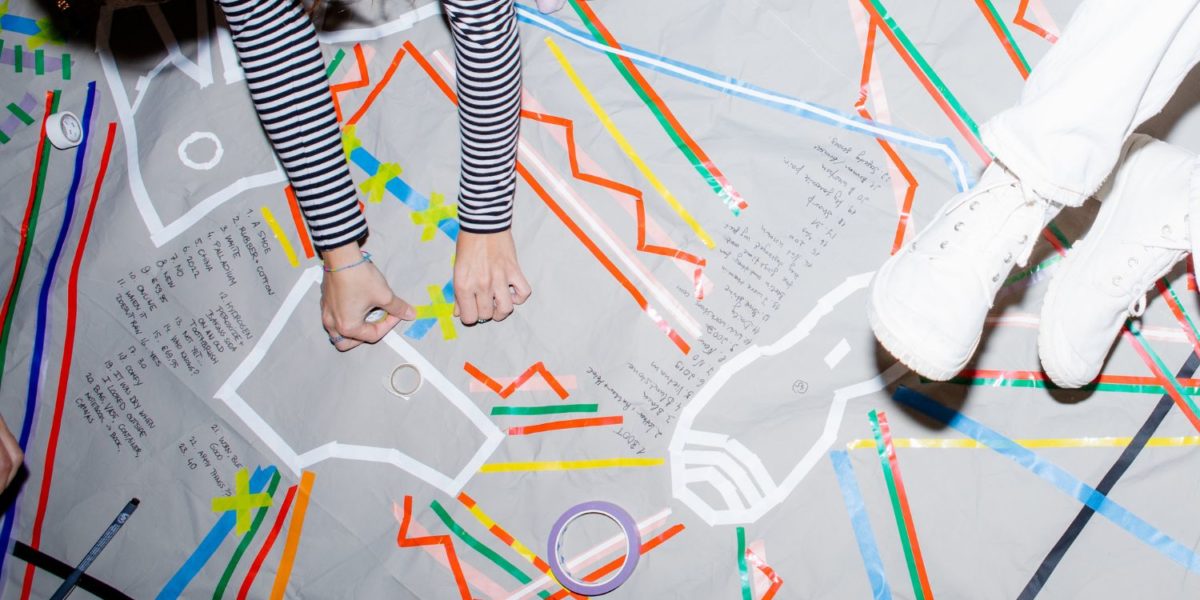
A reflection on Elisa van Joolen’s PORTAL 012 workshop, by writer Emma van Meyeren and photographer Nikola Lamburov.
In een wereld waar het draait om minimale marges tussen winst en verlies, delft het milieu vaak het onderspit. Fabrikanten denken vooral in winst, niet in verlies en al helemaal niet in verlies voor de planeet. Dat geldt ook voor de maker van je hypermoderne stampers.
Nike, Adidas and Puma, but also new brands are focusing on them: NFT sneakers, or virtual sneakers. Such a sneaker is a unique digital “non-fungible token” (NFT), a concept that is increasingly common in the art and fashion world. The digital shoe can be saved and later sold or worn by gamers in the metaverse…
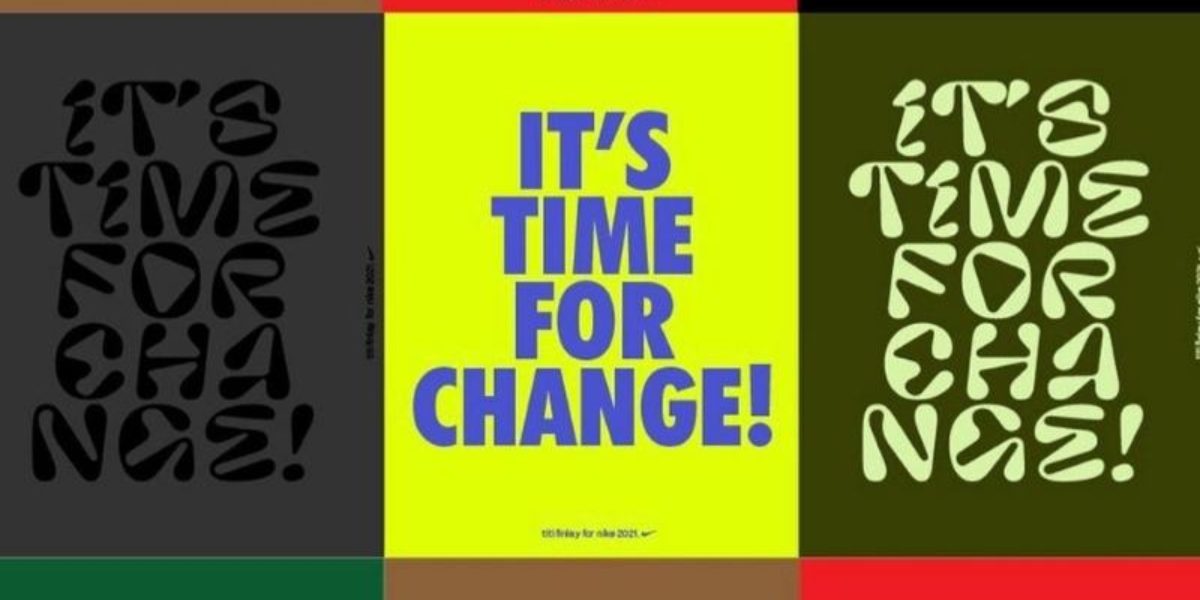
Titi Finlay is a London based content creator, sneakerhead and sneaker activist working. For the Third Floor she tries to answer the question: why can’t sneakers be gender neutral?
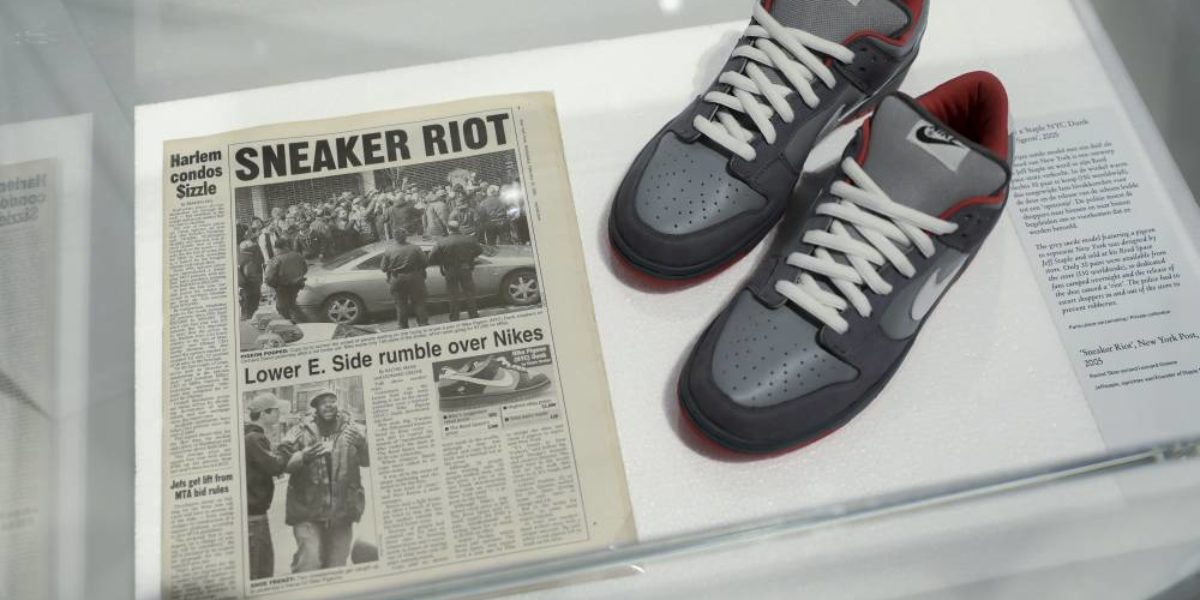
Some were banned, while others stir up very strong emotions, and then there are also lawsuits between makers and brands.
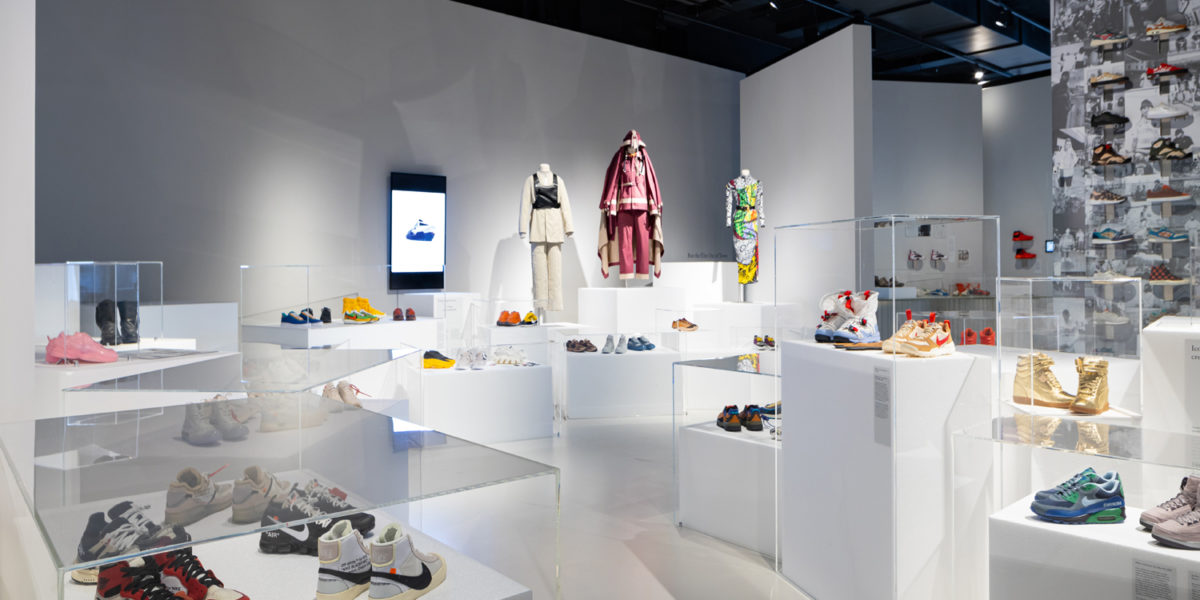
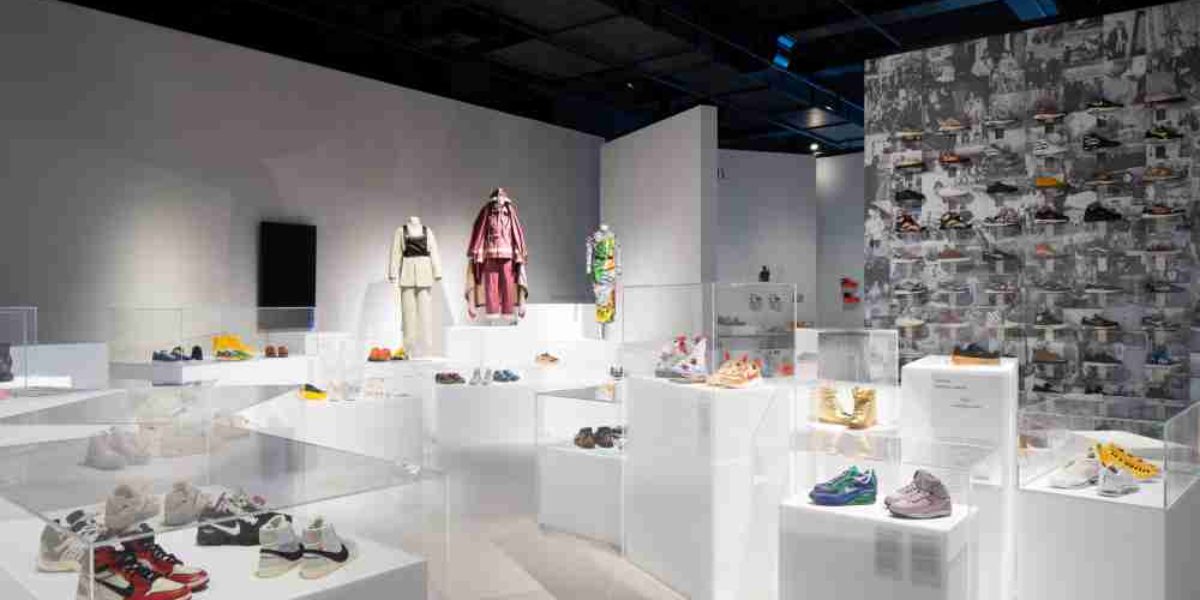
Designers Janntje and Toon talk about the exhibition design, details and challenges.
The sneaker industry is vast. It has grown exponentially over the last two decades and shows no sign of slowing down. In 2021, for example, about 1.2 billion sneakers were sold worldwide which is almost double the amount of sneakers sold in 2012.
Nowadays, sneaker culture is a global phenomenon, but it was born locally, even before the rise of the internet. The series Sole Origins takes you to the cities that have had a great impact on this.
In our sneaker dictionary you will find an overview of the most important, most used and sometimes just plain fun words.
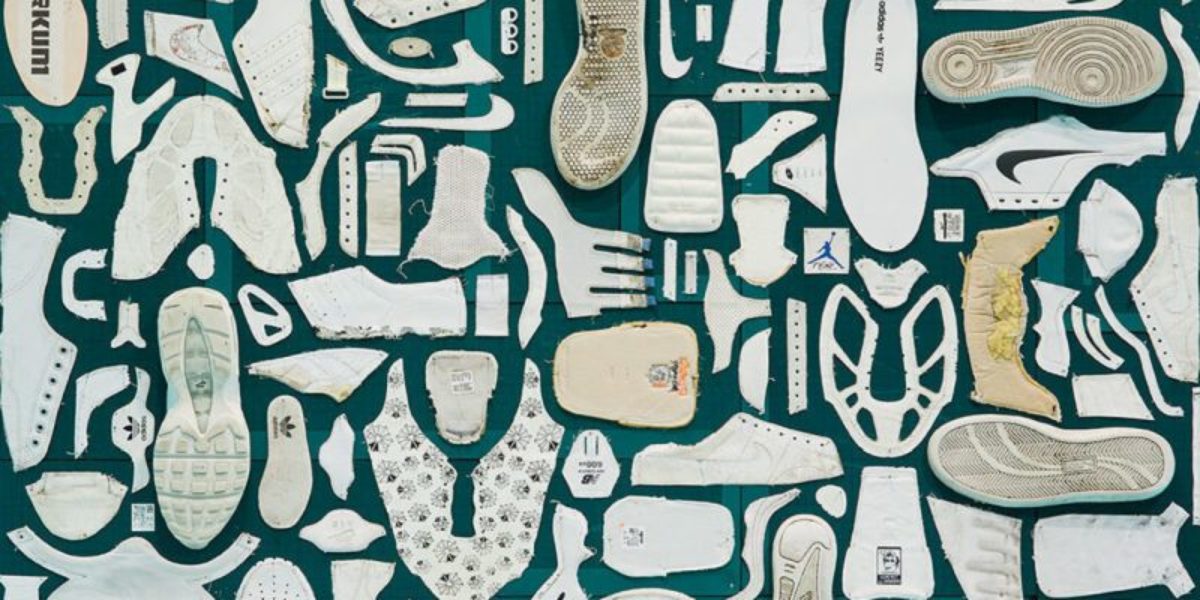
Everyone can point out the sole of a sneaker, but what about the upper? Where is the mustache? And what do the eyelet and the aglet have in common? Find out in this sneaker anatomy.
Still the sneaker’s popularity remains undiminished, especially among young people. Worldwide subcultures keep adding specific models to their daily uniform.
In the 1990s, the sneaker gained a foothold in the Netherlands thanks to gabbers and bubbling, but a unique way of styling the sneaker also emerged in London.
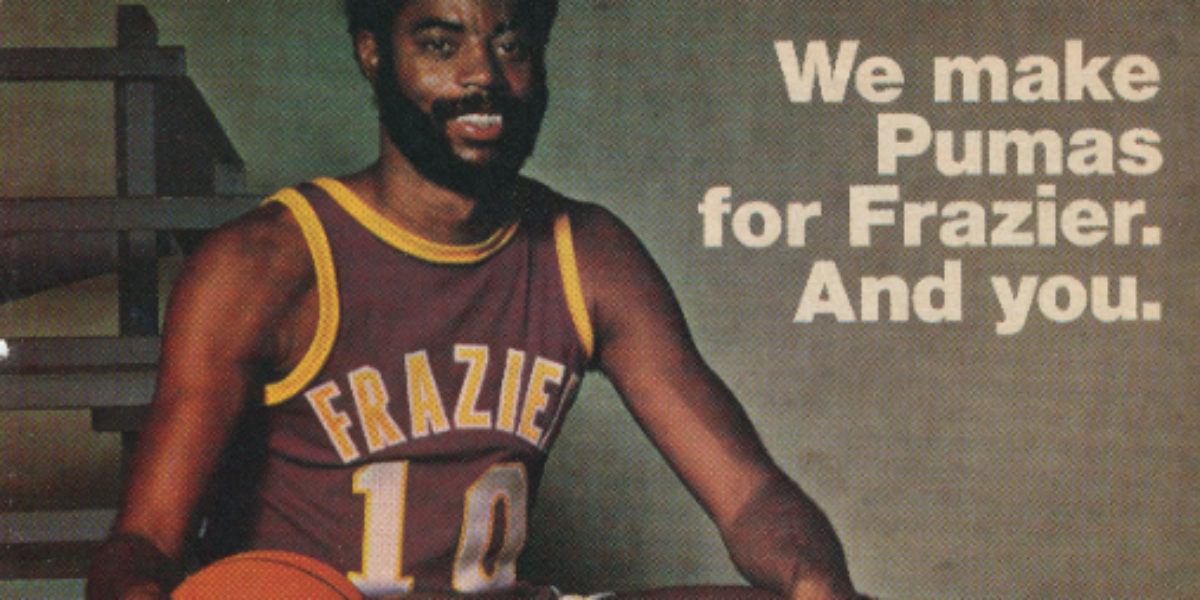
When sneaker brands realized the popularity among young people, they tried to entice them by using musicians and athletes as role models.
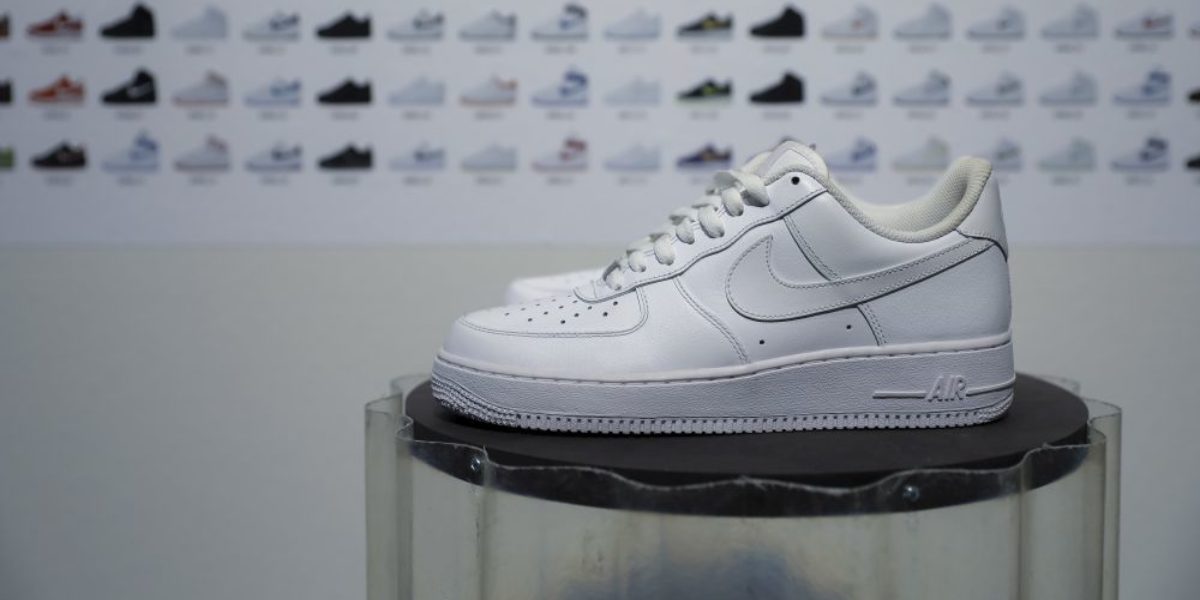
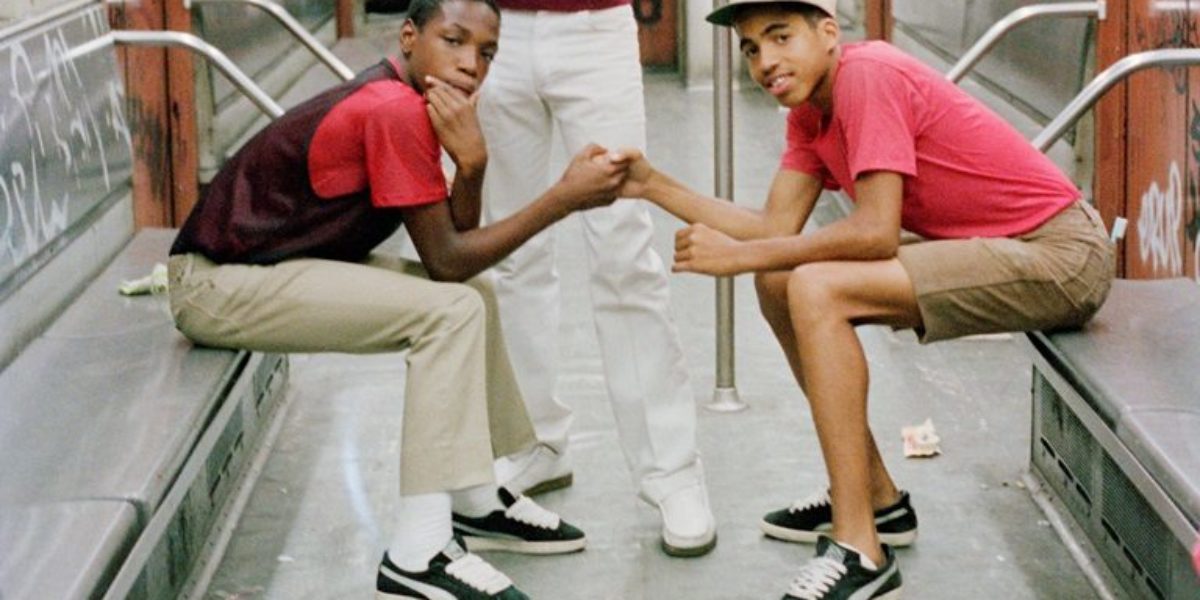
Sneaker culture has become ubiquitous thanks largely to the influence of young people from diverse inner-city neighbourhoods. They have been instrumental in elevating sneakers from pure sportswear to sought-after icons of style.
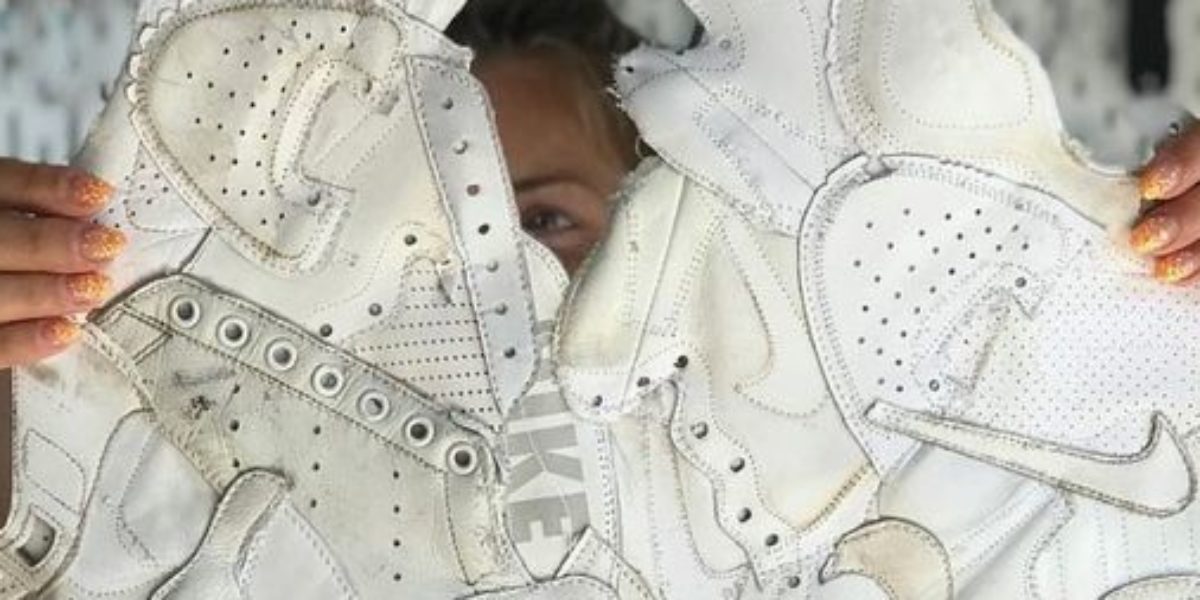
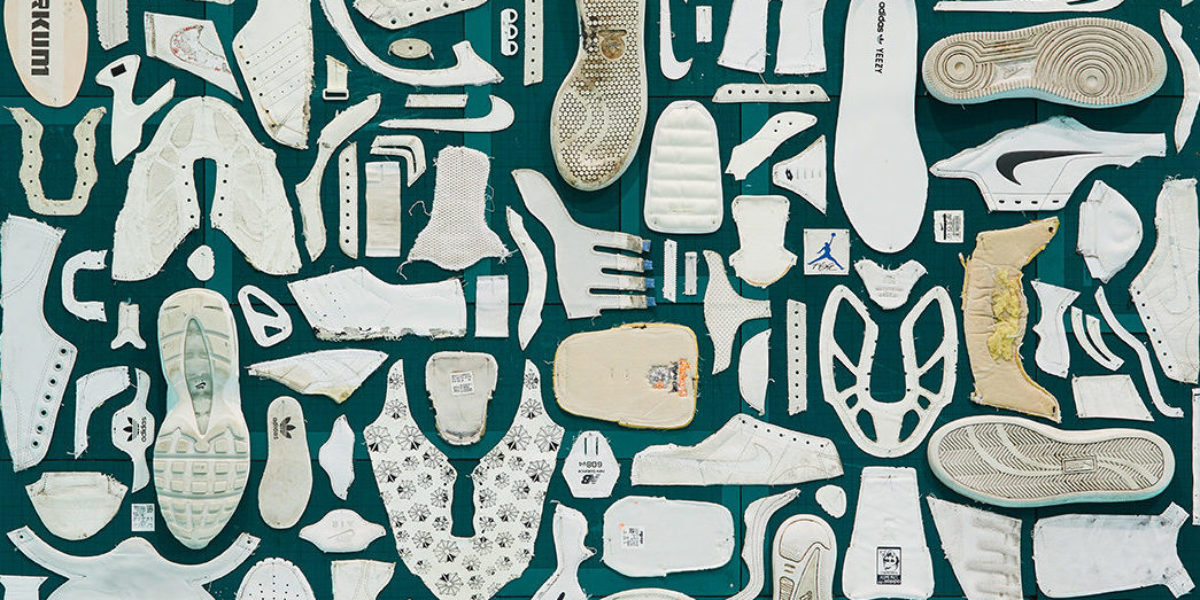
The sneaker industry is environmentally damaging, but there are many hopeful projects to address these problems.
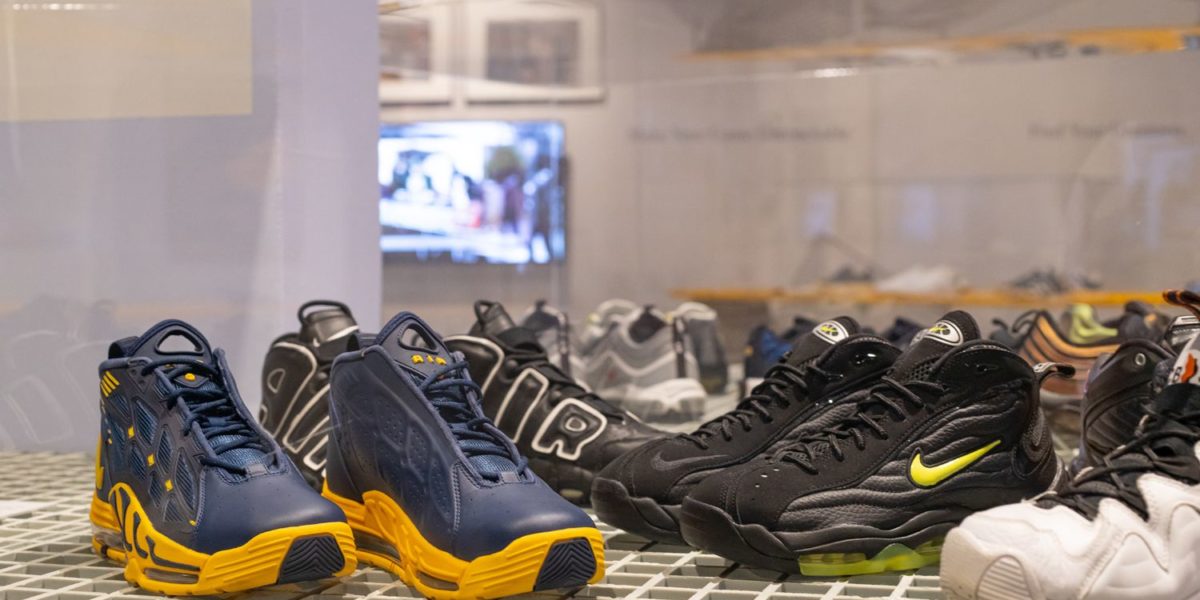
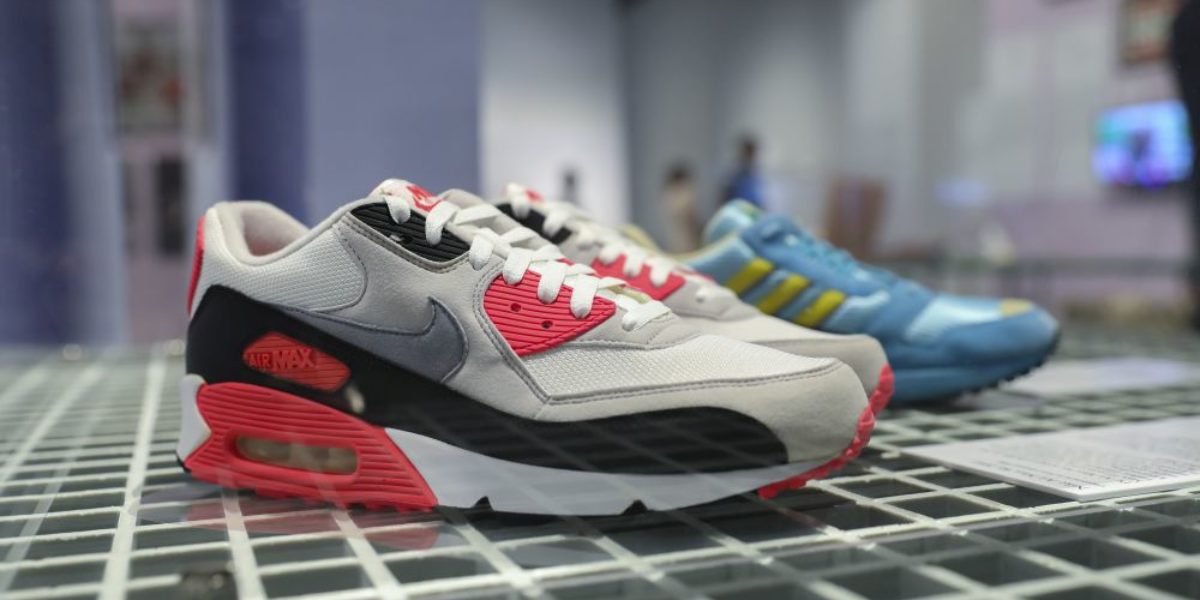
Most sports shoes that we now consider groundbreaking arose from solving core design concerns, such as traction, fit, stability, cushioning and energy return can help to improve athletic performance.
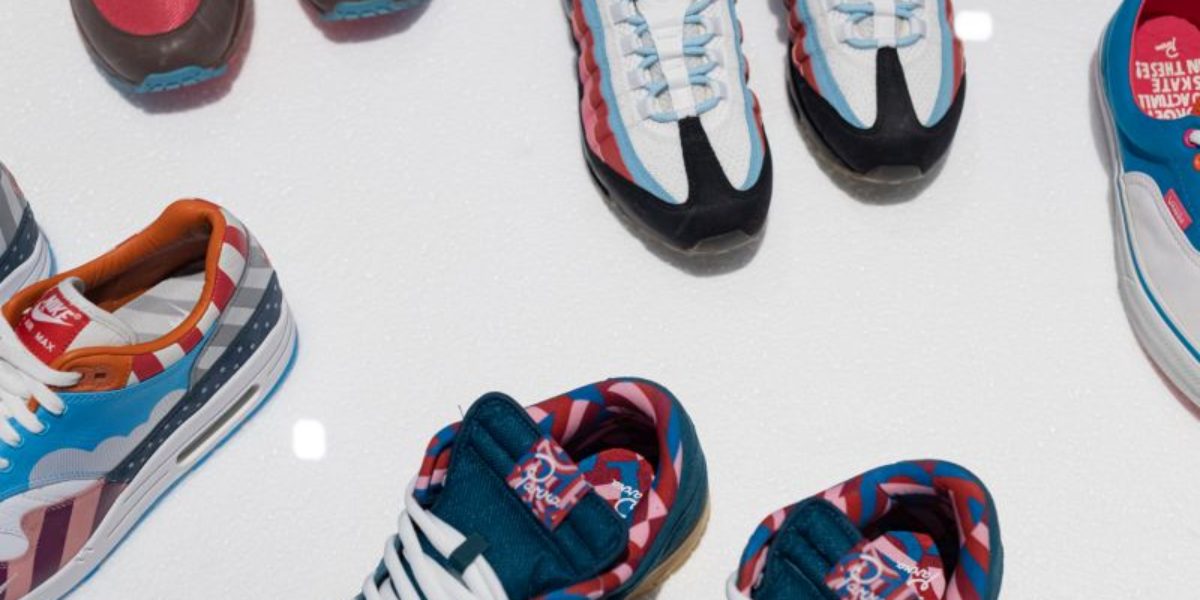
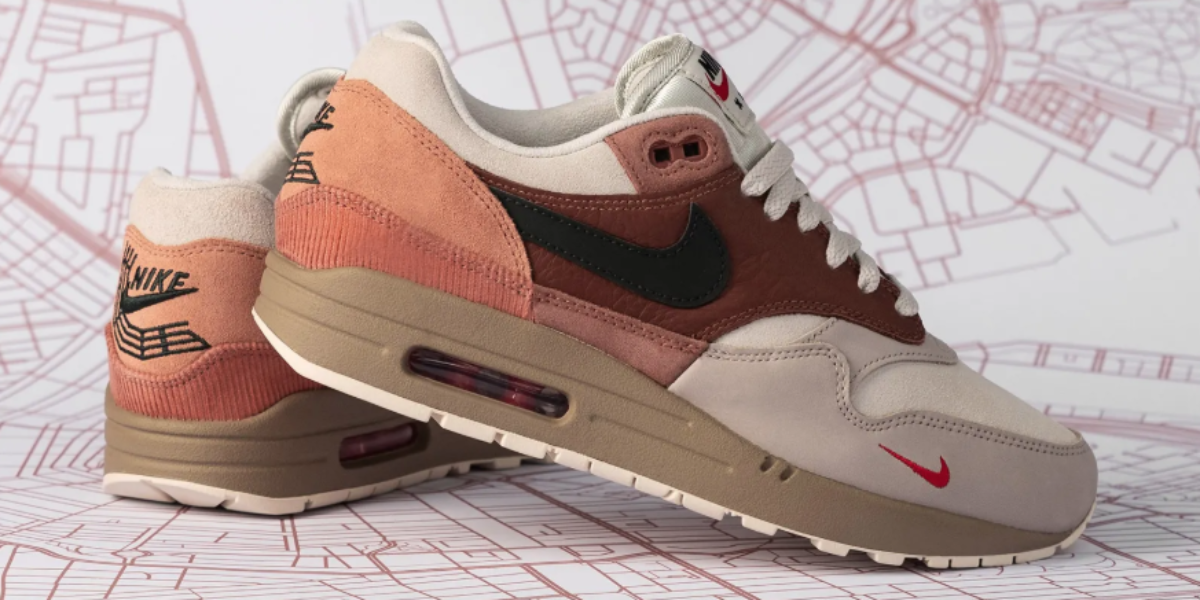
In the 1990s major sports brands ventured outside their comfort zone, entering into exclusive partnerships with small retailers and progressive fashion designers.
Sneaker culture has become ubiquitous thanks largely to the influence of young people from diverse inner-city neighbourhoods. They have been instrumental in elevating sneakers from pure sportswear to sought-after icons of style.
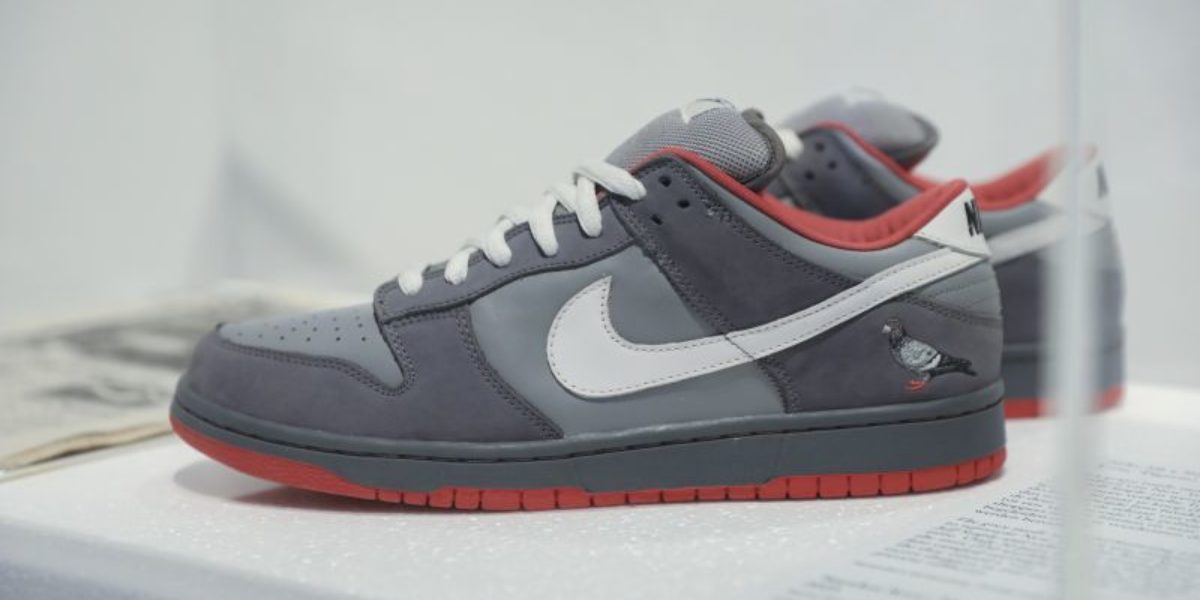
Few objects are as universal or as diverse as the sneaker. Which is one reason why the sneaker has become the undisputed cultural symbol of our times, bridging culture, design, fashion, music and technology.
Afgerukte ledematen, ontbindende lijken en afstotelijke monsters. Net als in het posthumanisme staat in gothic het lichaam centraal. Toevallig? Volgens curator Tomas van den Heuvel niet.
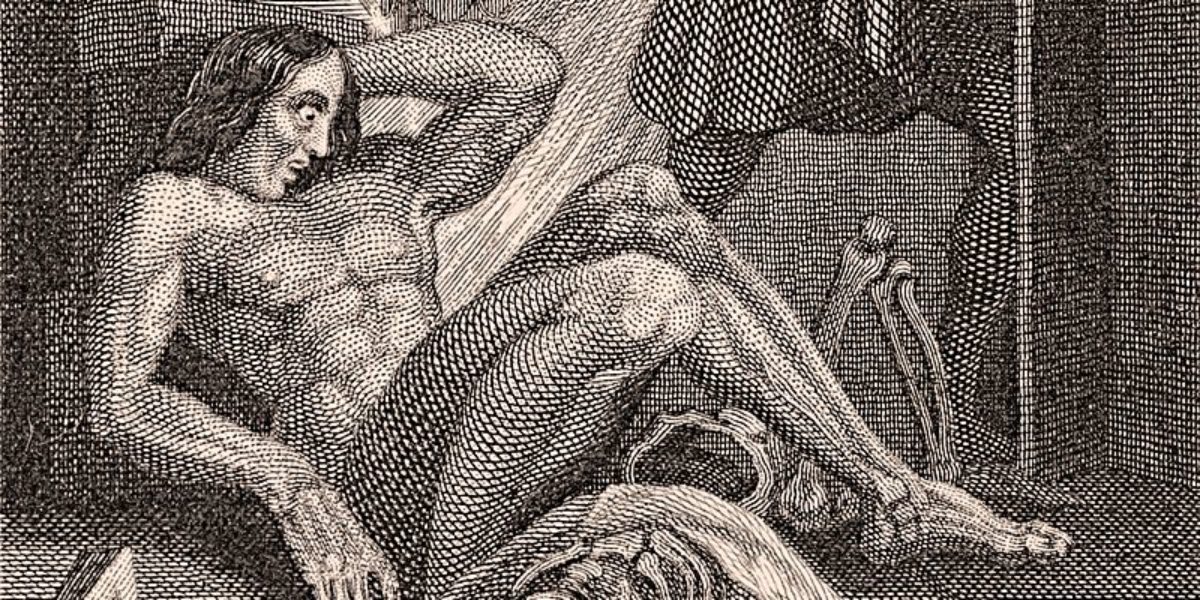
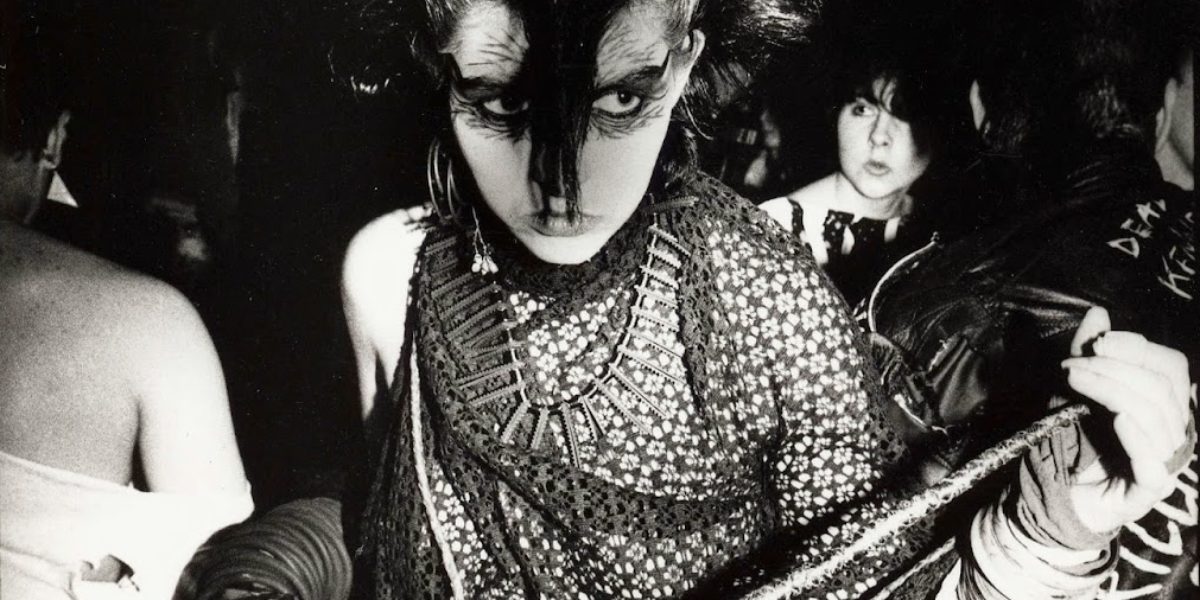
From the exhibition: the Goth subculture experiments like no other with gender, sexuality and style, finding new meanings for old stereotypes through endless combinations.

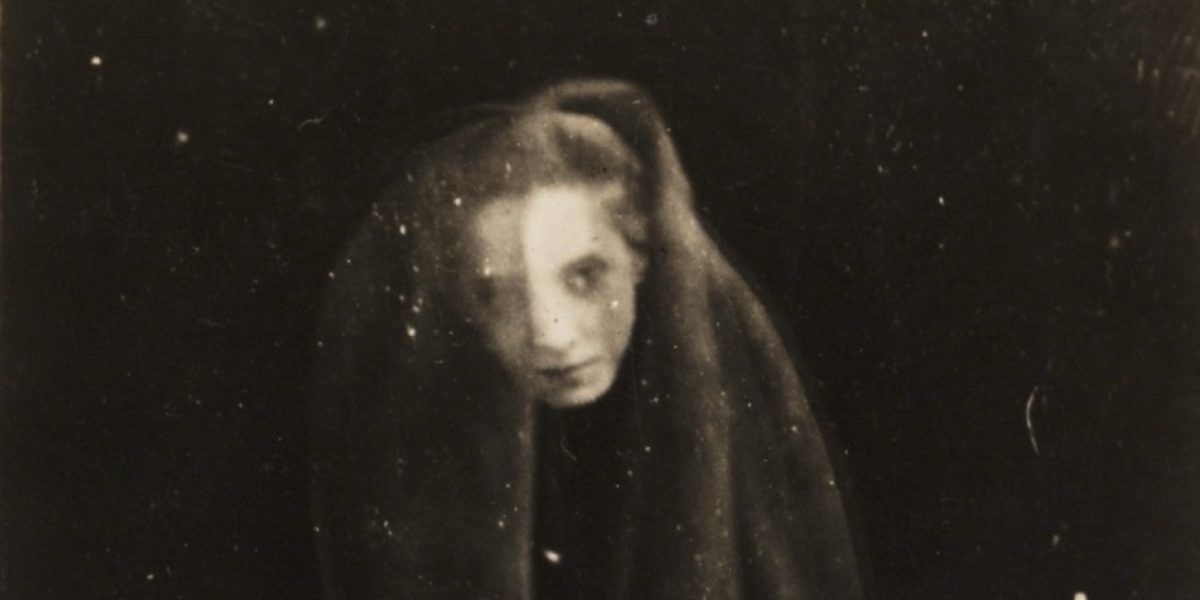
From the exhibition: new technologies help to visualize the dark sense of life in constantly changing ways, although it is frequently the shortcomings of such technology – scratches on the film or fading of the photograph – that give a ‘Gothic feel’ to an image.
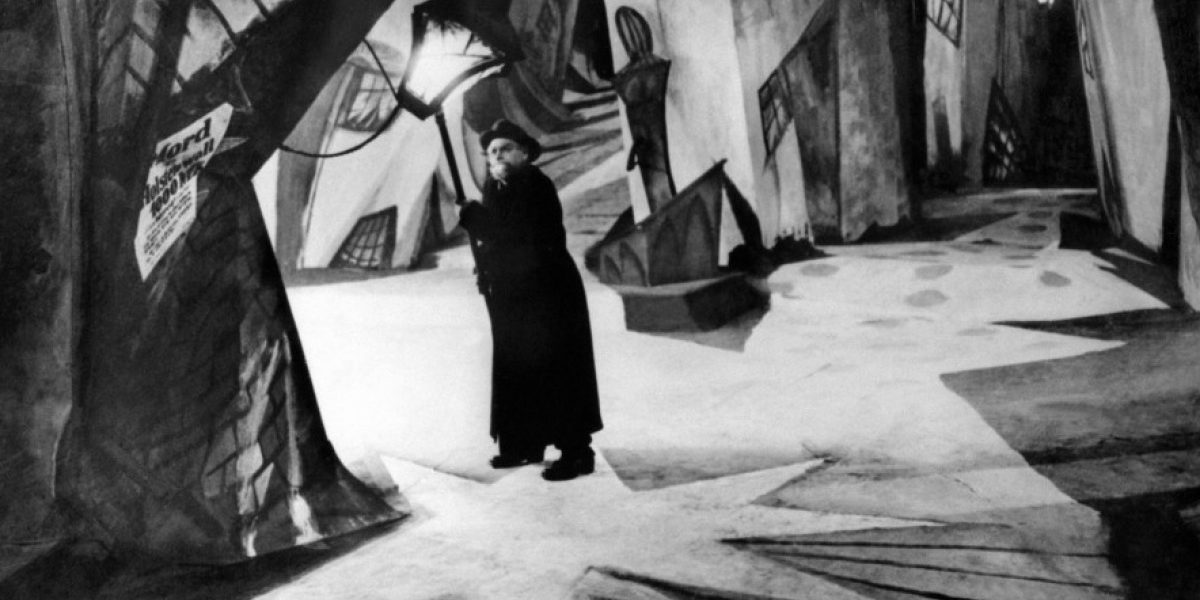
From the exhibition: the threatening, impersonal and all-consuming metropolis shaped the Gothic imagination of this uncertain period. It is a form of the Gothic where fear of the future becomes entangled with the dread of the past.
From the exhibition: in the Gothic tradition, historyis exaggerated, twisted or straightforwardly invented. The past on which Goth is based is an intoxicating mixture of fantasy and reality.
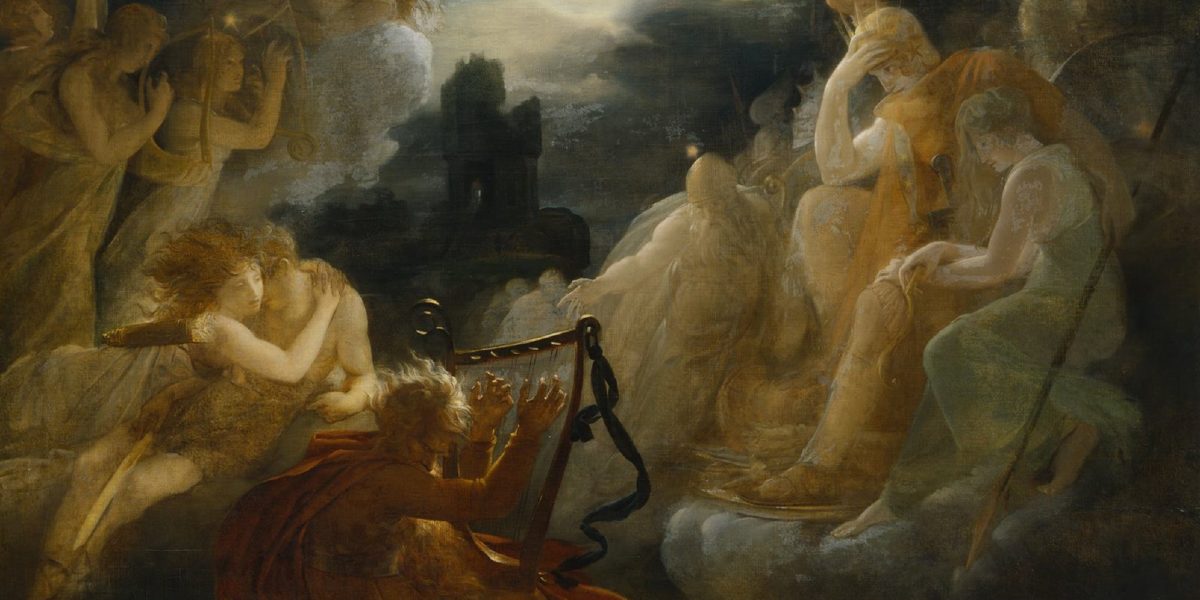
From the exhibition: Goth eagerly pursues a sense of authenticity and is not afraid to evoke it artificially.
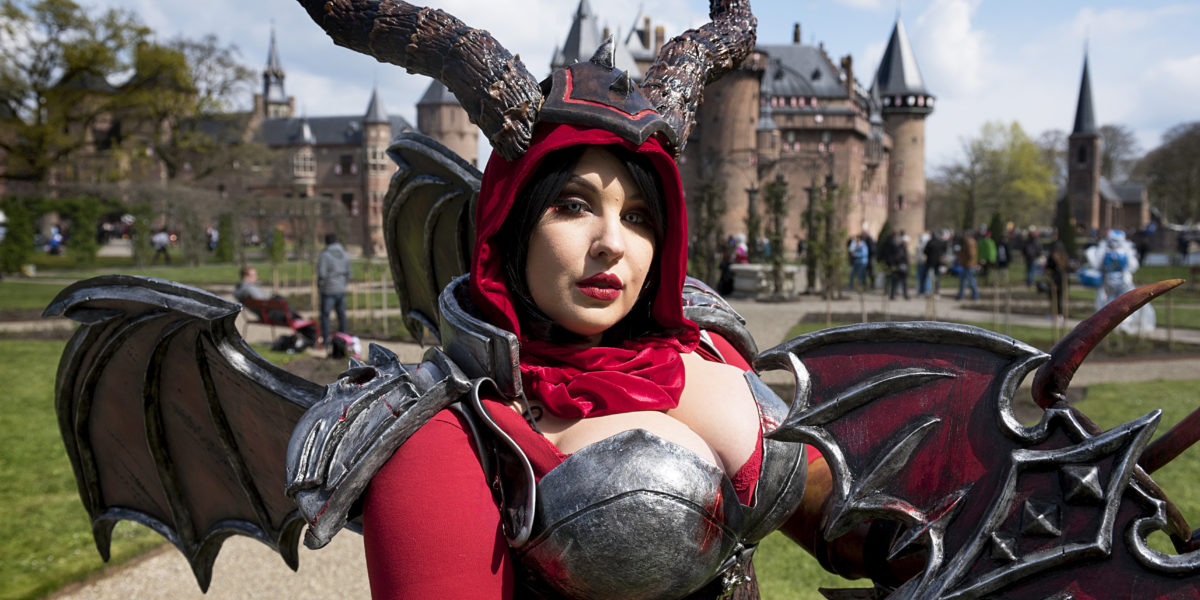
From the exhibition: The Goth tradition allows you to mix imagery, symbols and styles to your heart’s content. The result is an emphatic atmosphere, which stimulates the imagination and creates darkness. Goth isn’t a style in the traditional sense but a feeling.
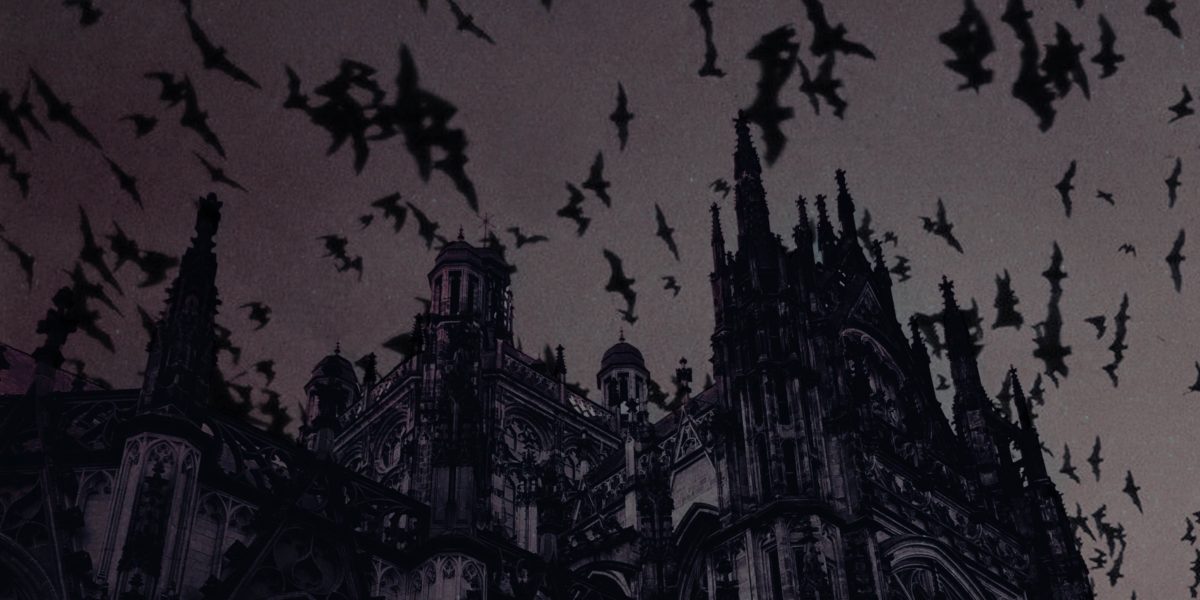
From the exhibition: a sublime nature in this sense features prominently in the Gothic tradition, not only as a setting for elusive mysteries or unspeakable secrets, but also as a protagonist in its own right.
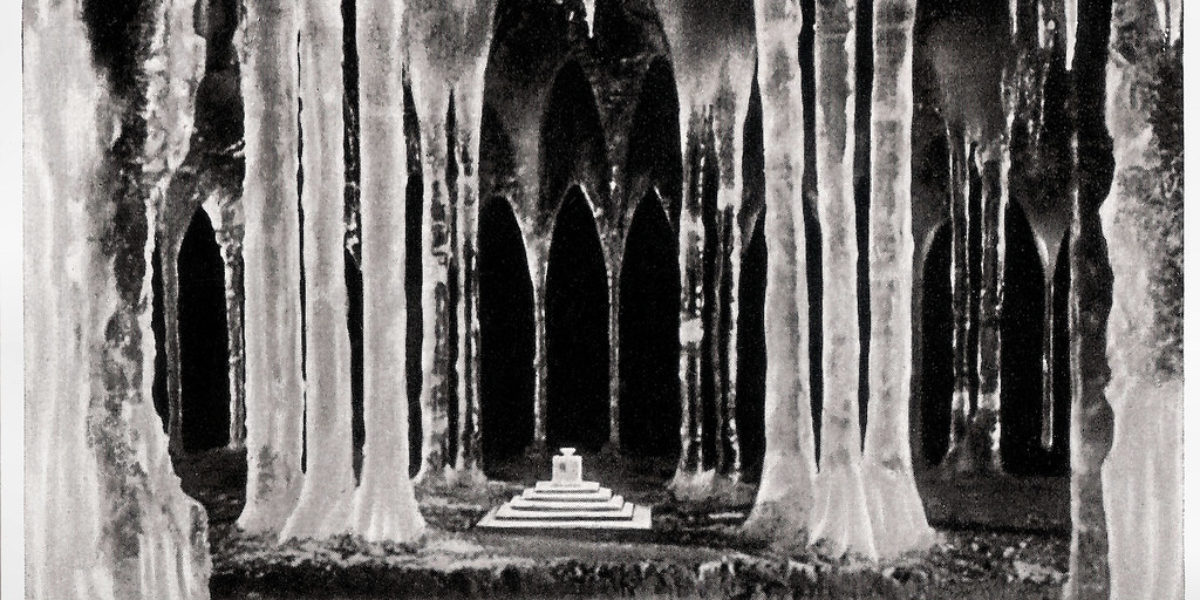
From the exposition: goth is a battleground for the great issues of identity, individual and community. Now, and already in the nineteenth century.
In what is also known as ‘the Inflatable Era’, inflatable architecture was manufactured as a prerequisite for a new, nomadic way of life. Space travel served as the inspiration for these capsules. However, are these high-tech hide-outs post-human or not?
“A little world in which the big one holds its tryouts”, is how guest curator and professor Bart Lootsma describes the development of Austrian avant-garde movements in the 20th century. In this lecture series, Lootsma places the so-called ‘Radical Austria’ of the 1960s in the context of the long Austrian tradition of art and design.
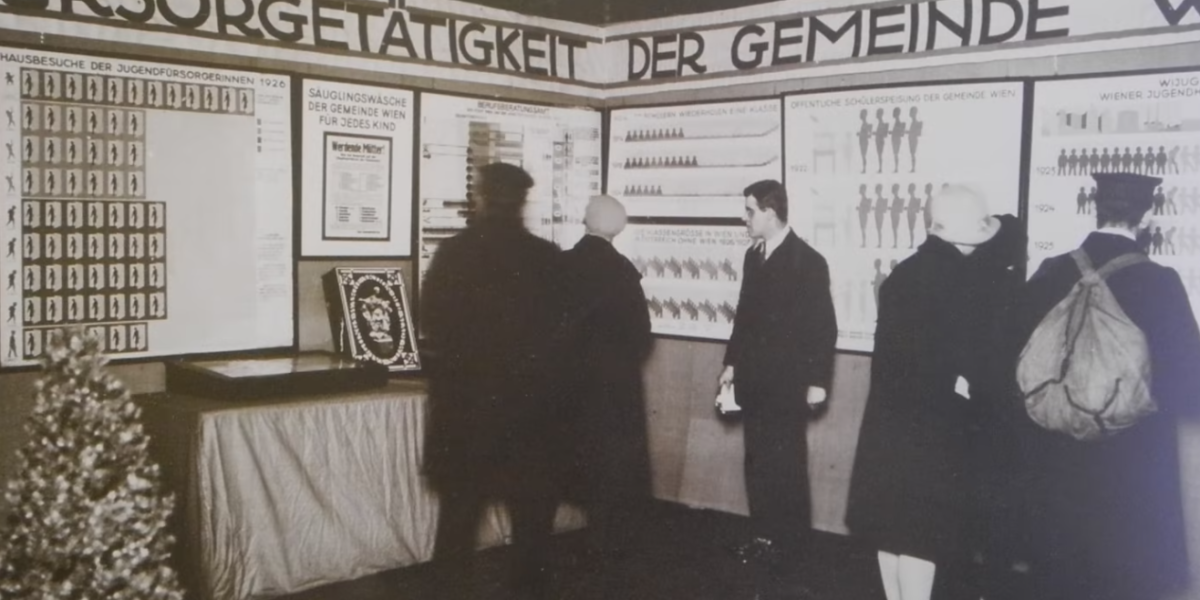
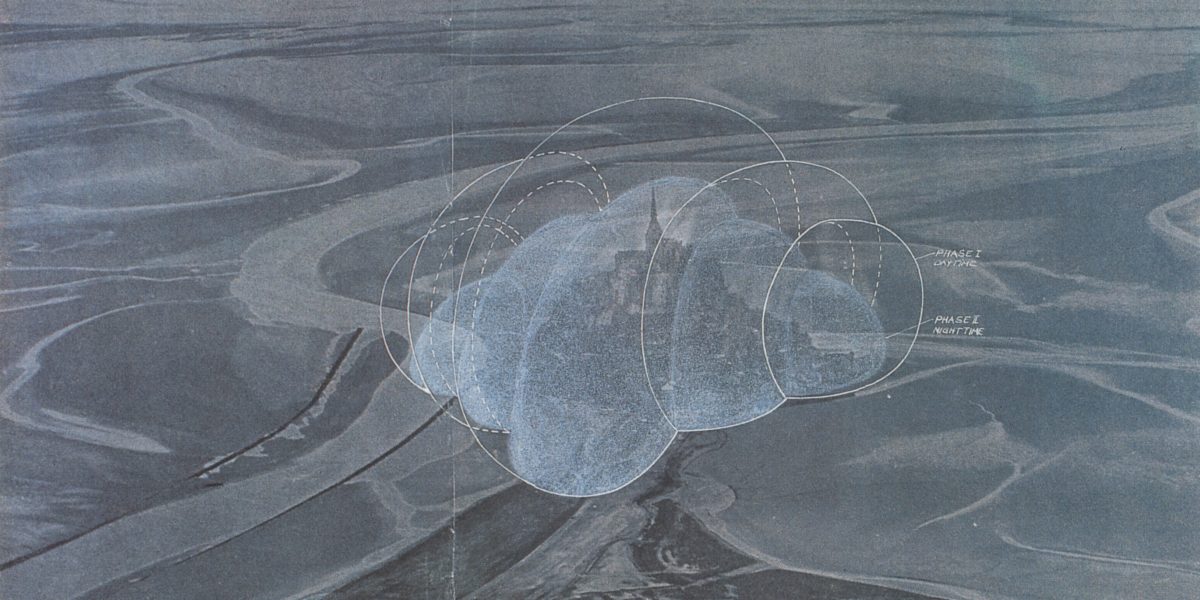
The need for radical change manifested itself in post-war Austria in a series of megalomanic urban designs. These projects share an obsession with technology and infrastructure and a drive to create completely new ways of living together.
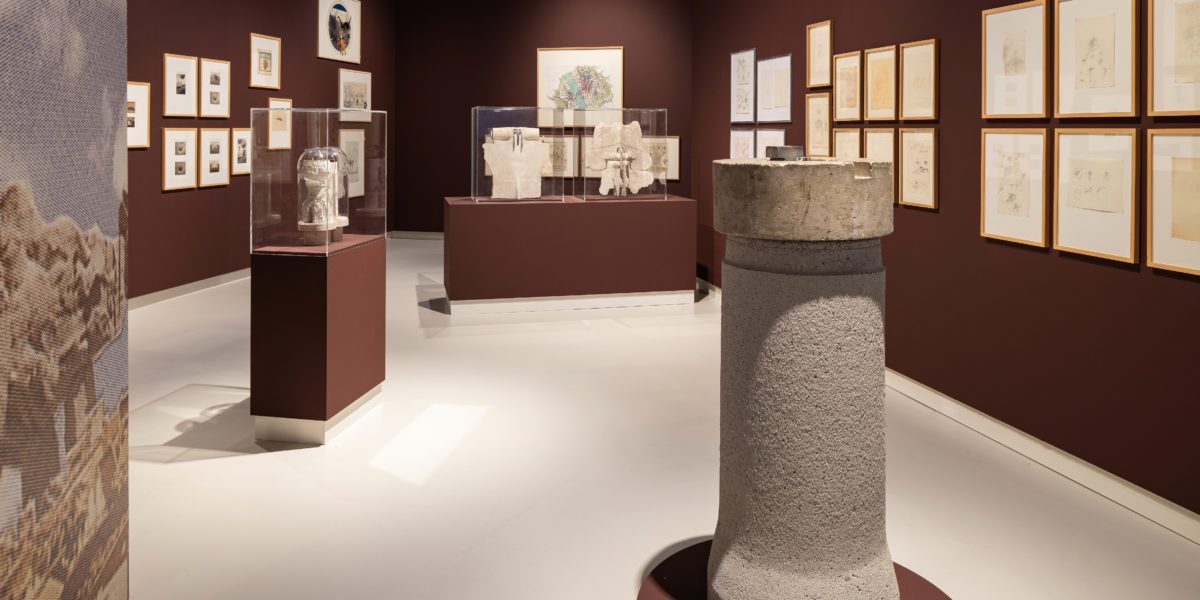
Visiting the exhibition, you will receive the accompanying catalog. It documents both the technical information of all exhibited works, as well as substantive texts to contextualize important makers and themes. You can find the digital version here.

The oil crisis and environmental issues have led to an international reconsideration of the technological fascinations of the avant-gardes of the 1960s. Haus-Rucker-Co, in particular, reflects in very large installations on the consequences of environmental pollution.
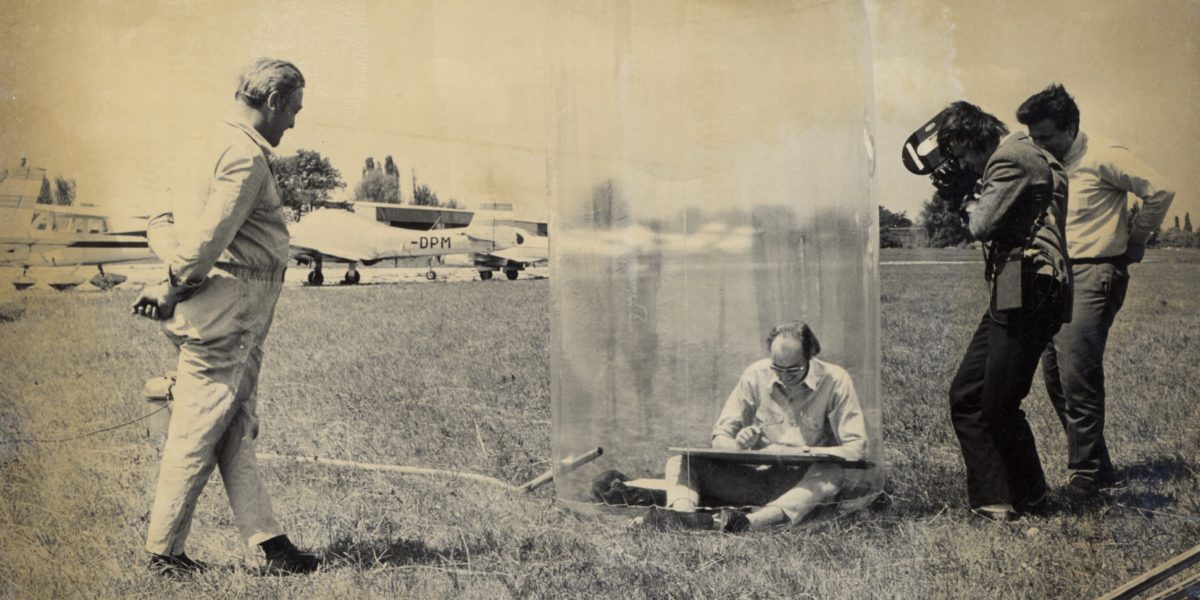
A series of experiments by Coop Himmelb(l)au investigates how human test subjects respond to intensive media experiences and how these reactions can be fed back to those media.
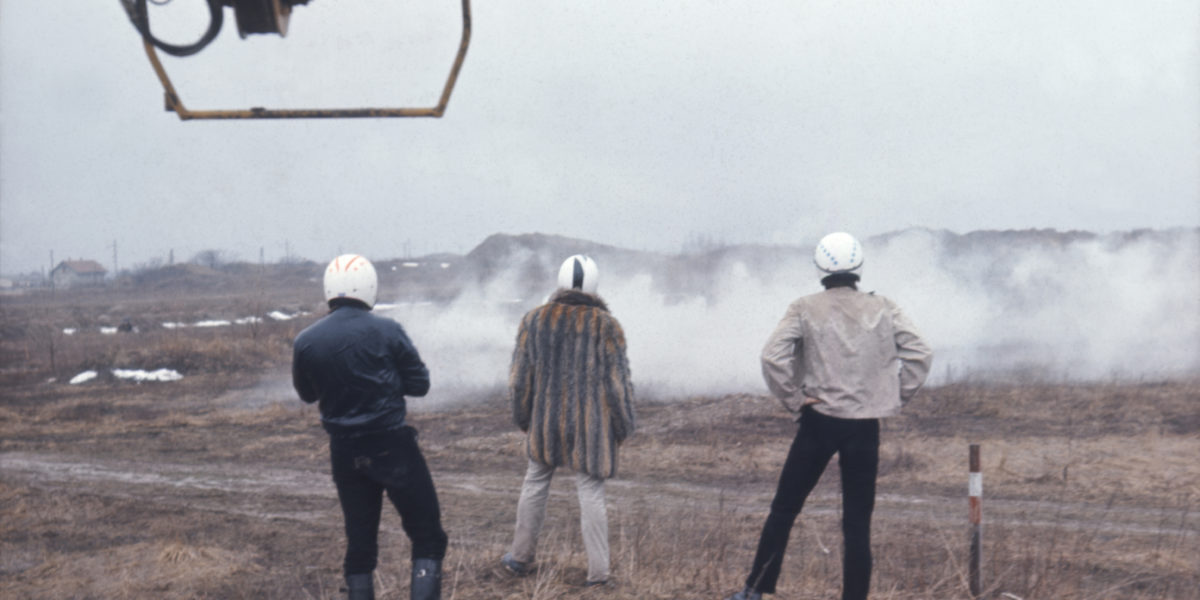
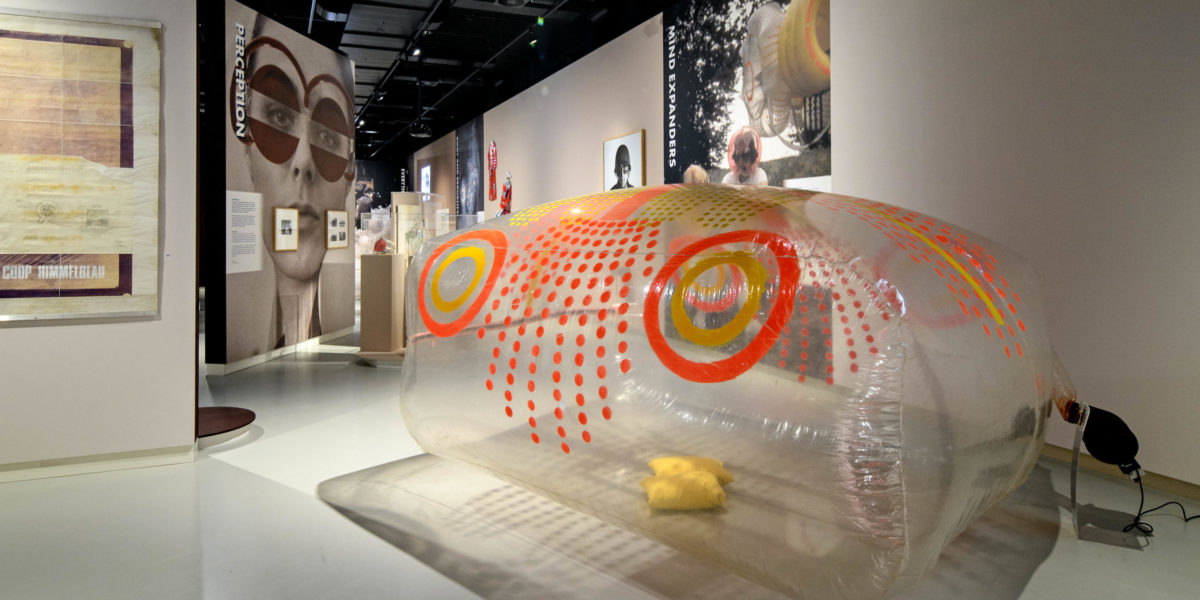
Haus-Rucker-Co works on the Mind Expanding Program from 1967 to 1971. The program aims to expand human consciousness and man-made environments on different levels.
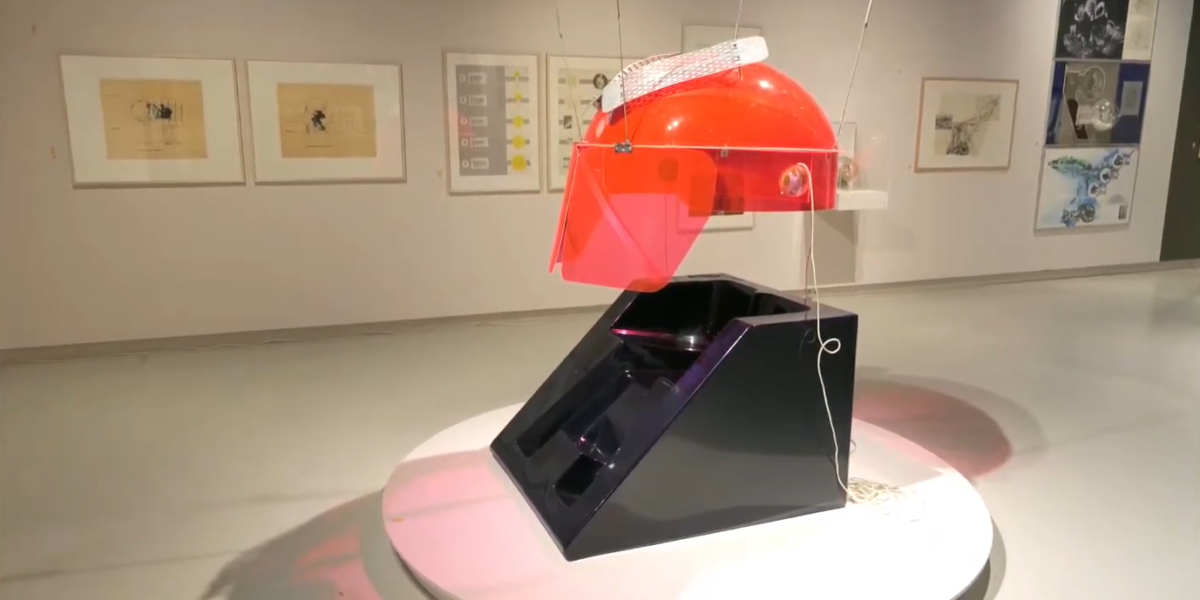
Walter Pichler’s prototypes of furniture and appliances are perfectly executed and functional. By emphasizing certain effects of the use of everyday objects, these prototypes show their cold and disorientating impact.
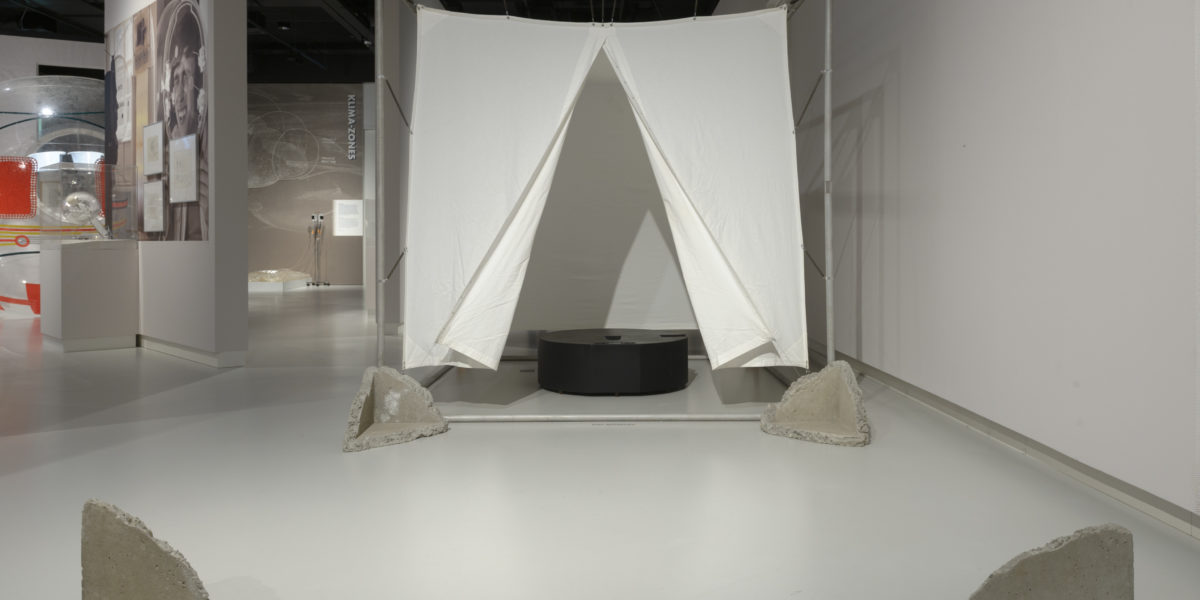
In the 1960s and 1970s, new media such as radio, telephone and TV changed the relationship between people and the environment. The impact on the human experience of the environment makes perception an important theme for many artists and designers during this period.
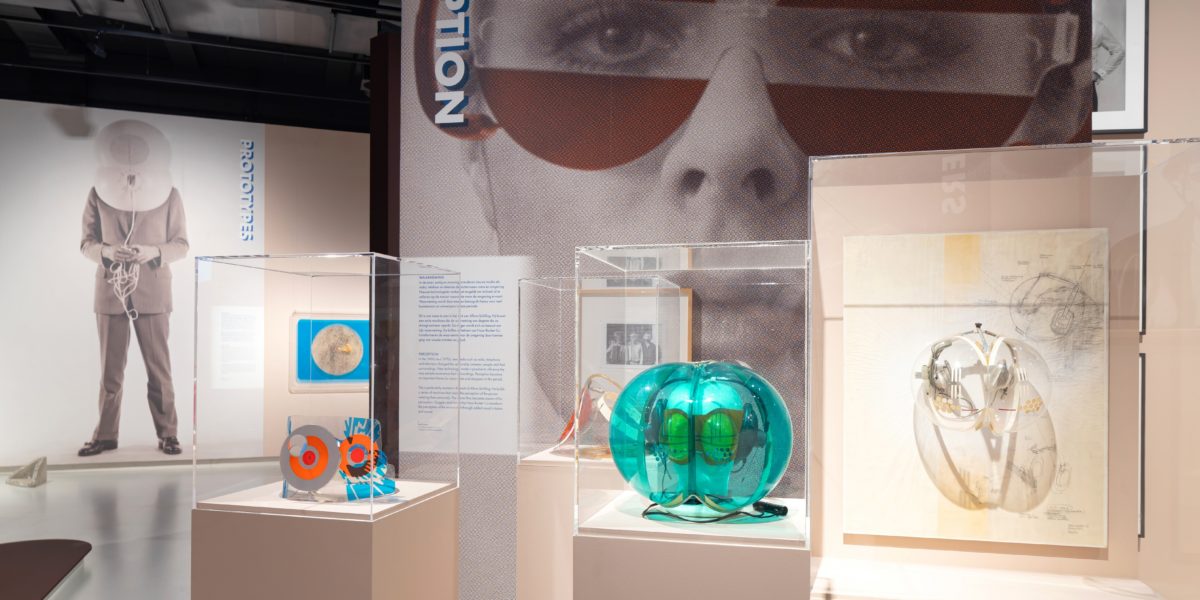
That cybernetics would radically influence the functioning of design, architecture and urban planning was understood in Austria at an early stage. Its consequences are speculated on in numerous projects.
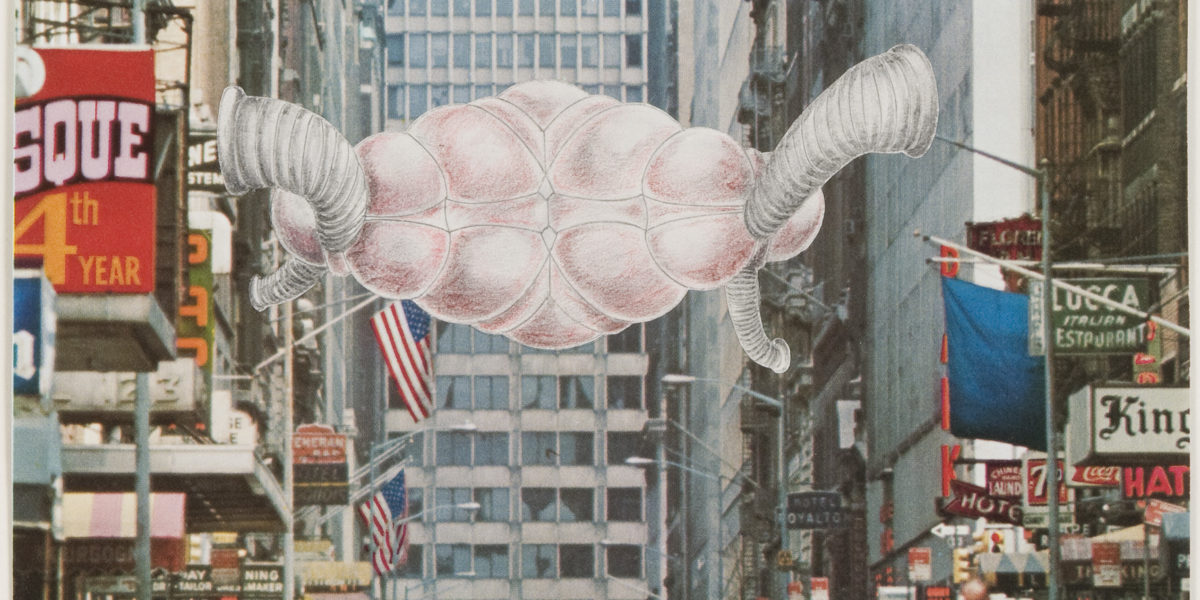
In the 1960s, the body became the starting point for a radical rethinking of architecture, design, fashion and art. The boundaries between those disciplines increasingly disappeared.
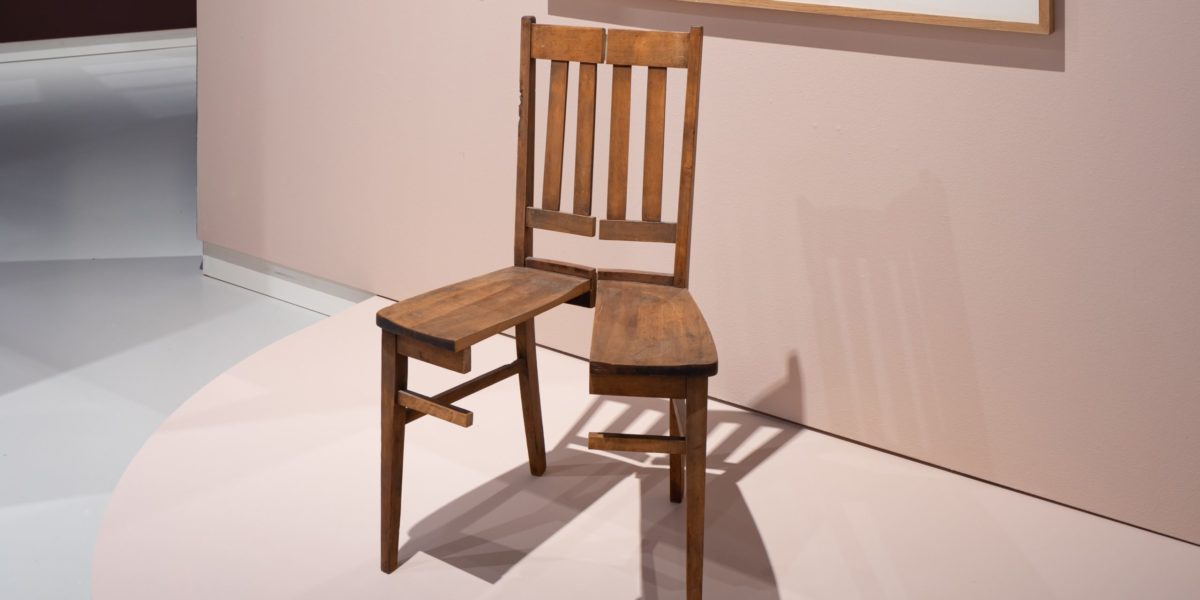
Schöner Wohnen, or ‘the destruction of the habitable coffin’ is a film made by the architecture collective Salz der Erde in 1971, in which the ideal of the tasteful-bourgeois housing magazine of the same name is mercilessly undermined.
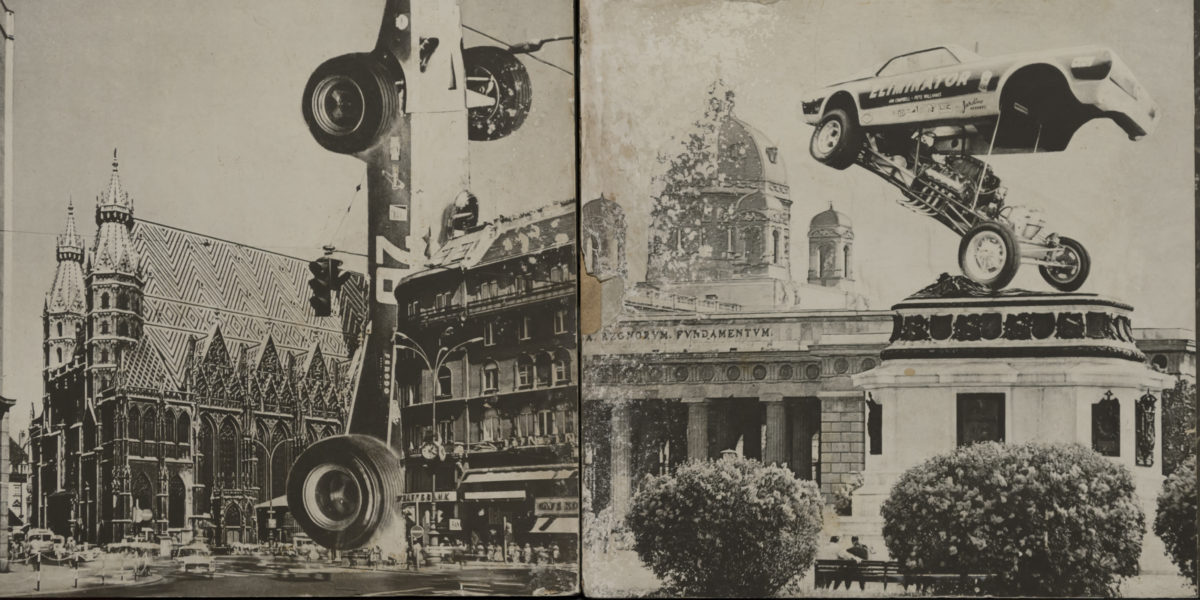
With his manifesto Alles ist Architektur Hans Hollein does away with the traditional definition of architecture: “Our efforts are focused on the environment as a whole and on all media that determine it. Both television, the artificial climate, transport, clothing, the telephone and the home.”
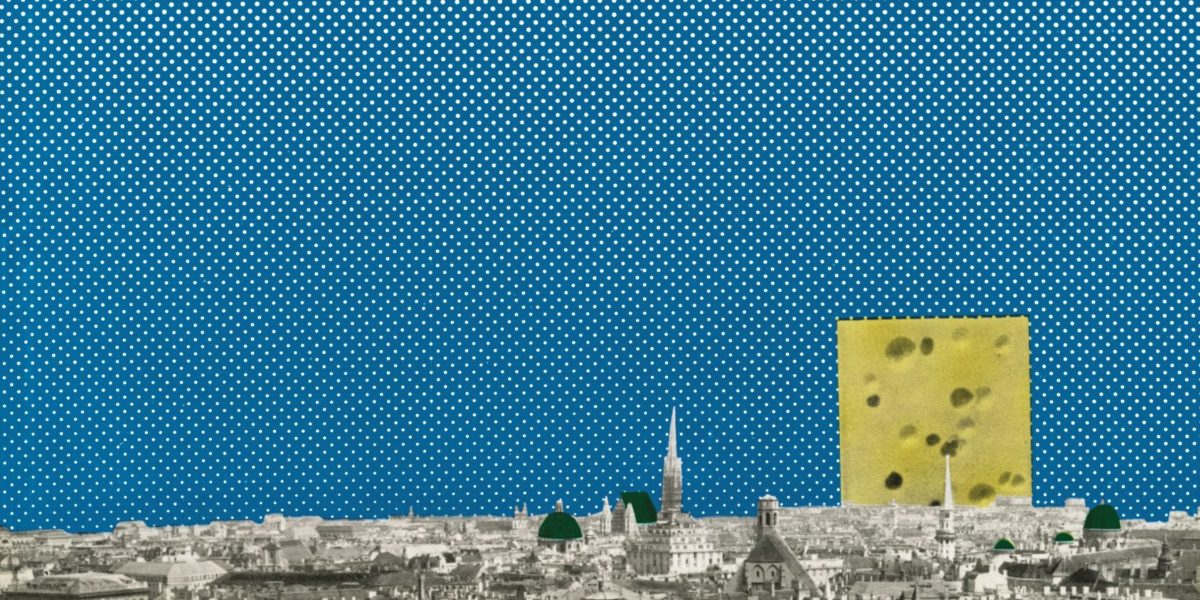
The performances of the Actionists increasingly sparked scandals attracting attention of both police and media. This culminated in 1968 in the happening Kunst und Revolution, arranged by the artist Peter Weibel as part of student protests and taking place in a prominent lecture hall of Vienna University.
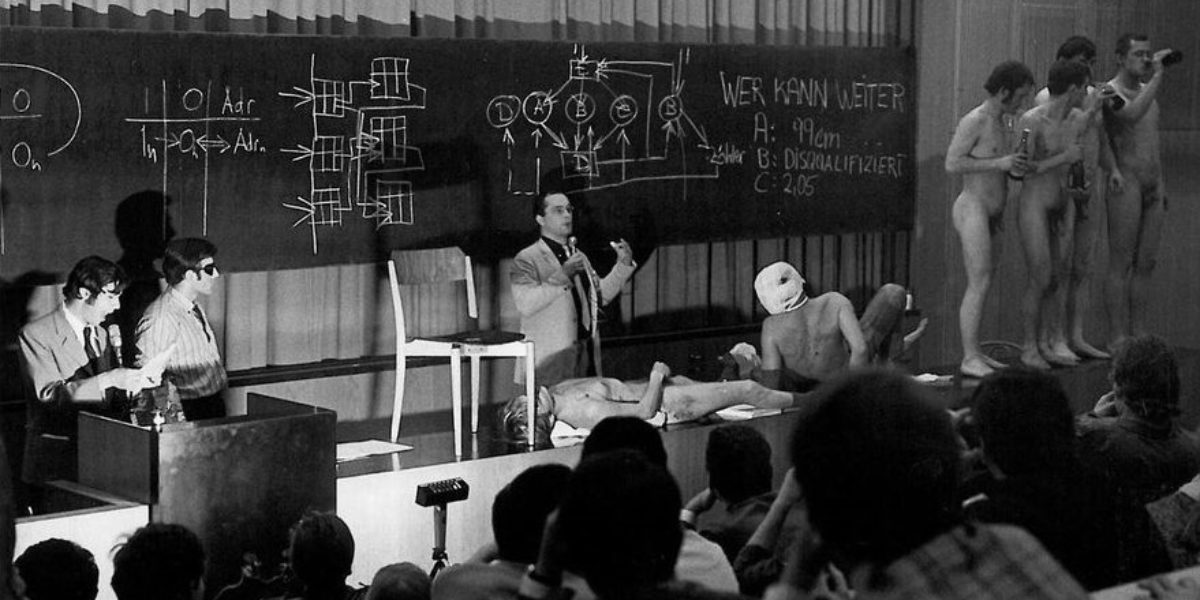
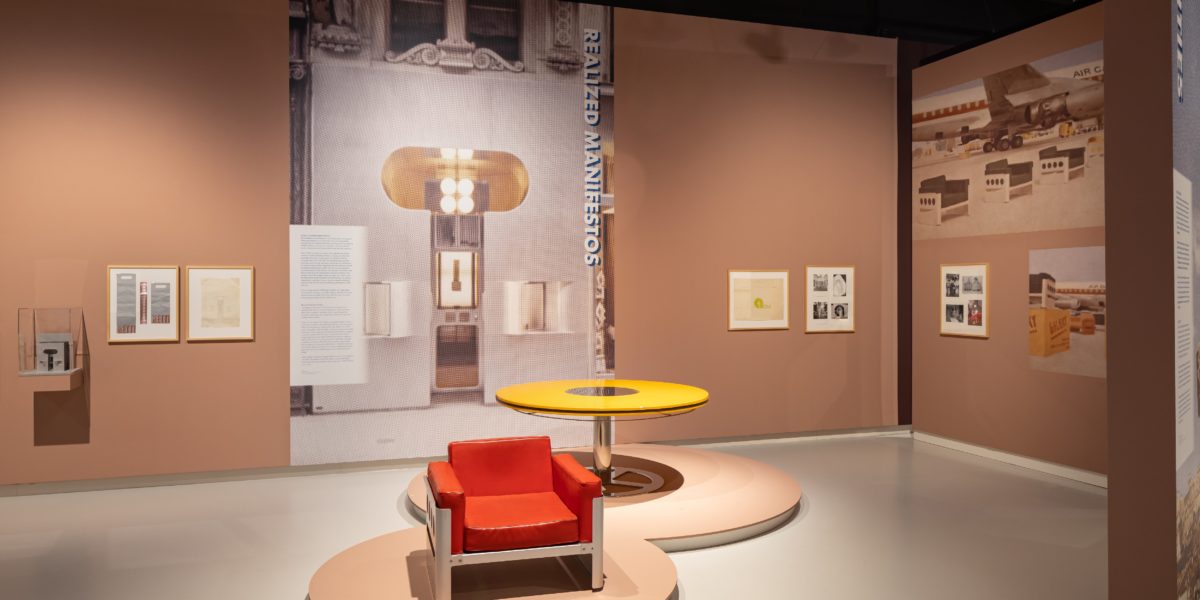
The designers and artists in the Austrian avant-garde were obsessed with theories of social change. Despite their manifestos often being very radical, they realised an impressive number of their projects.
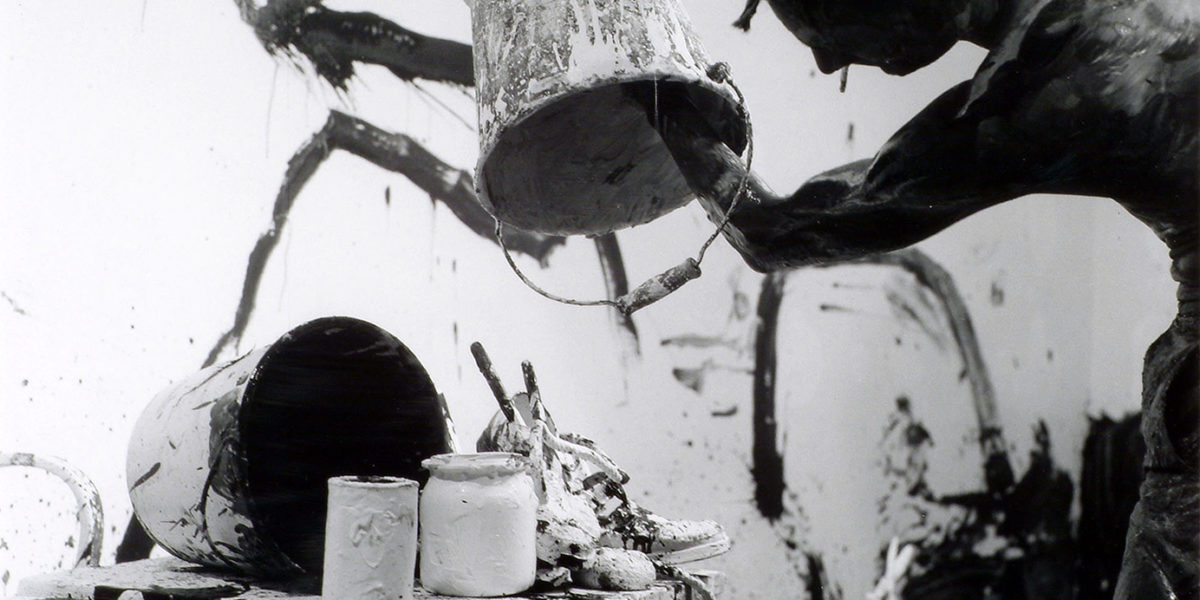
Posthuman; once your eyes are opened to it you see it everywhere. But what is it? In this recurring series, curator Fredric Baas explains. In the first column, Baas focuses on the changing human body, something Austrian designers were already investigating in the 1960s.
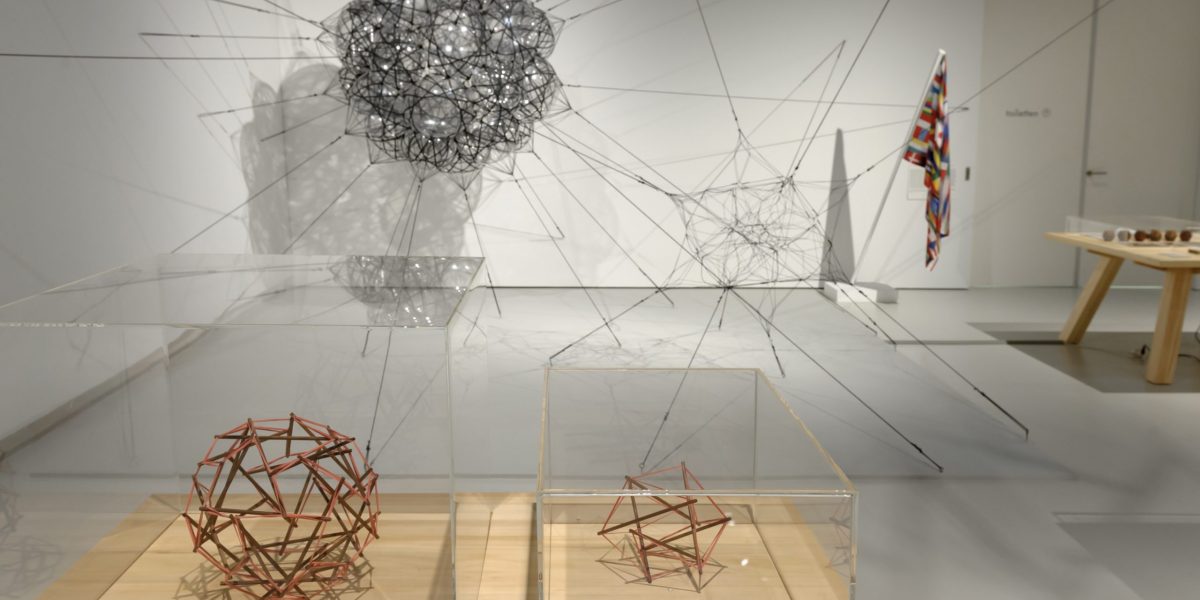
The last part of the exhibition “Victor Papanek: The Politics of Design” shows how contemporary designers relate to the themes of Papanek. Here you will find the exhibition text.
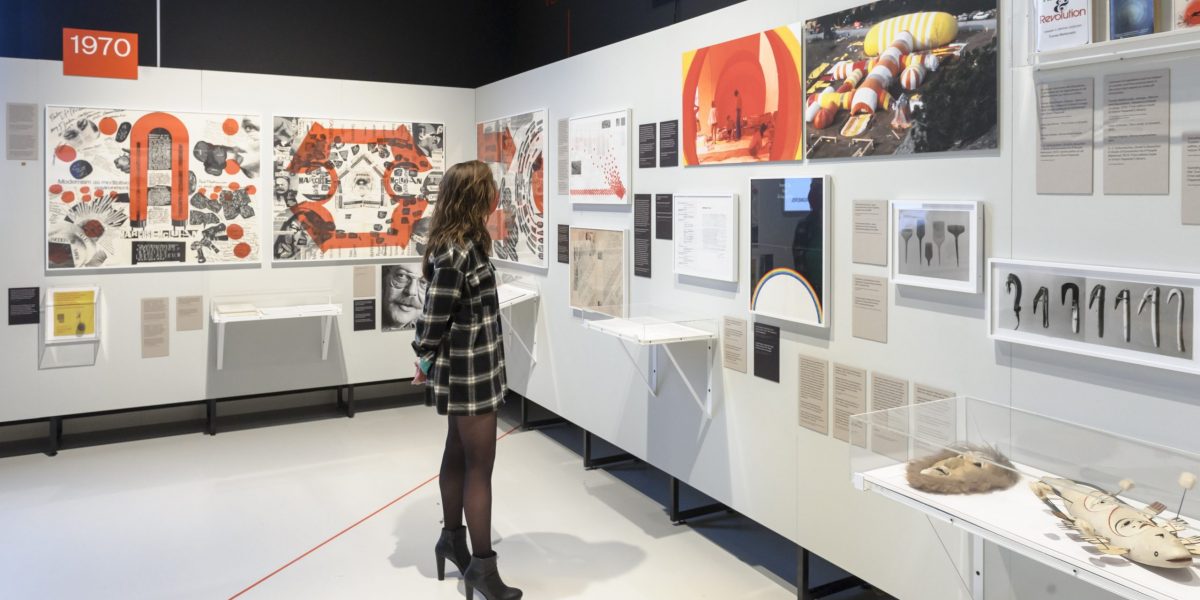
In the second part of the exhibition “Victor Papanek: The Politics of Design” you get to know Papanek better. Here you will find the exhibition text.
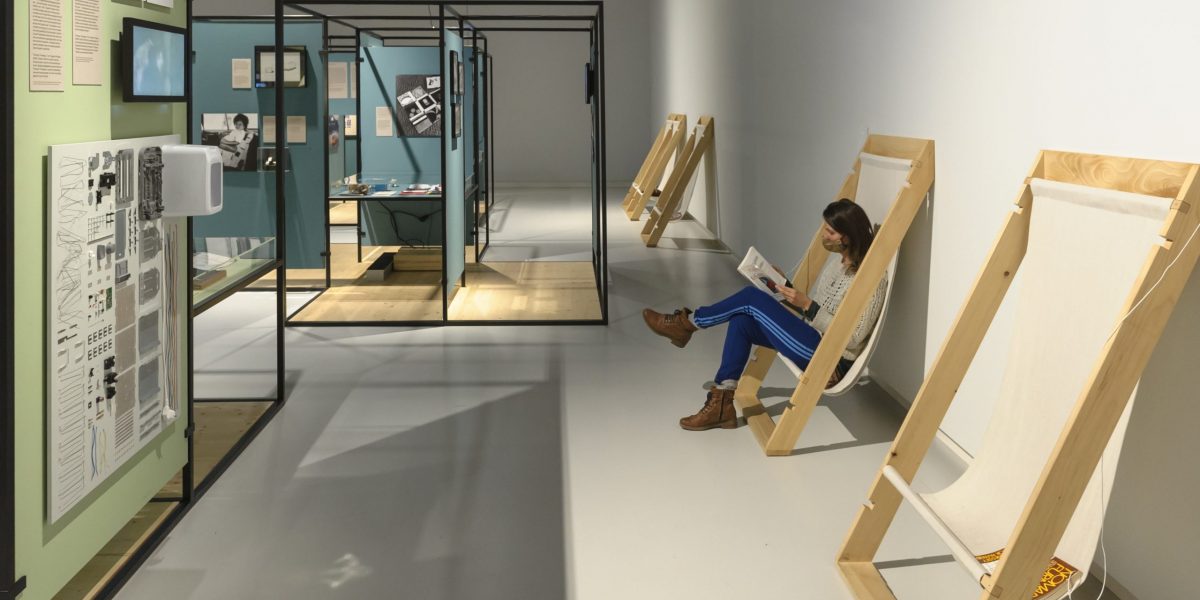
Papanek inspired many generations of designers. The third part of the exhibition “Victor Papanek: The Politics of Design” shows their work on the theme of ‘minorities’. Here you will find the exhibition text.
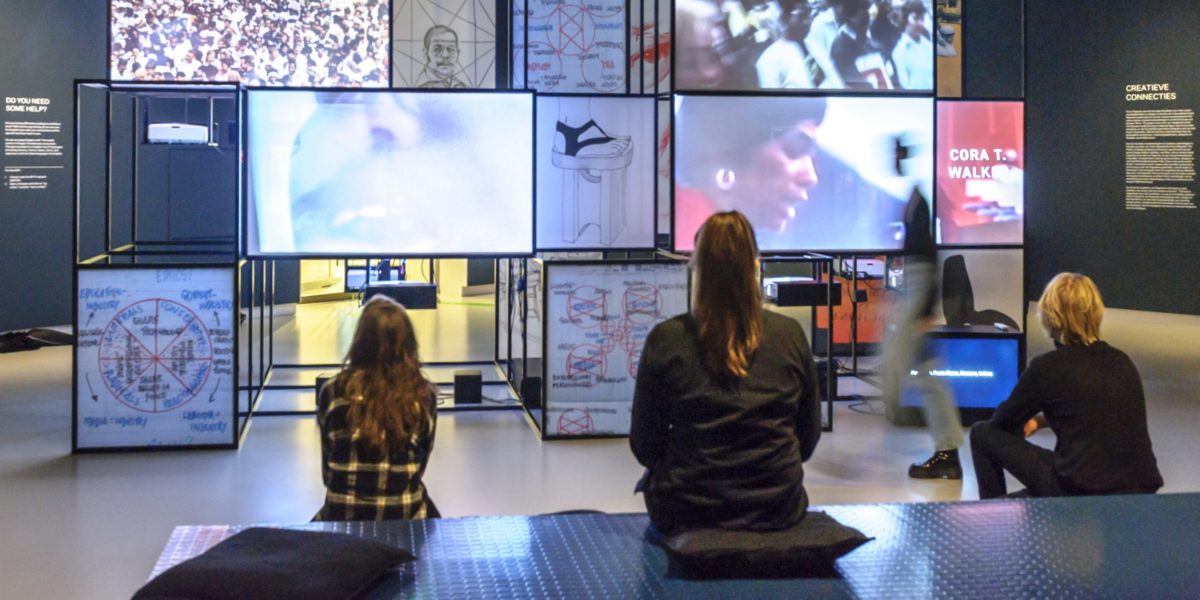
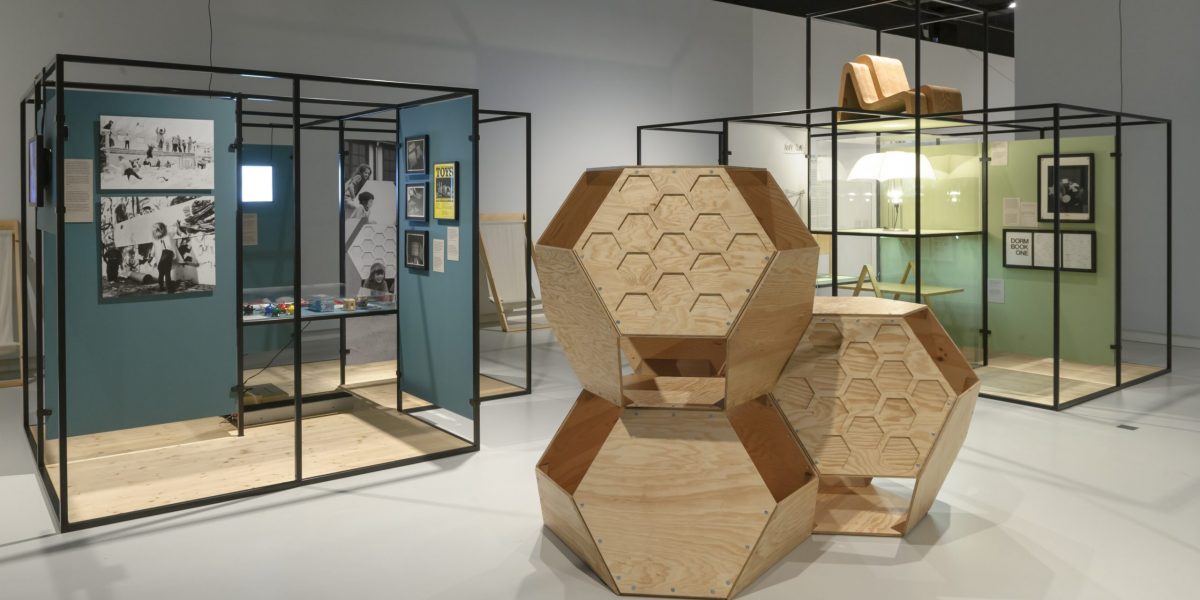
The first part of the exhibition ‘Victor Papanek: The Politics of Design’ shows the influences and creative interactions in the life and work of Papanek. Here you will find the exhibition text.
The exhibition ‘Victor Papanek: The Politics of Design’ starts with a short introduction about Victor Papanek and his ideas. Here you will find the exhibition text.
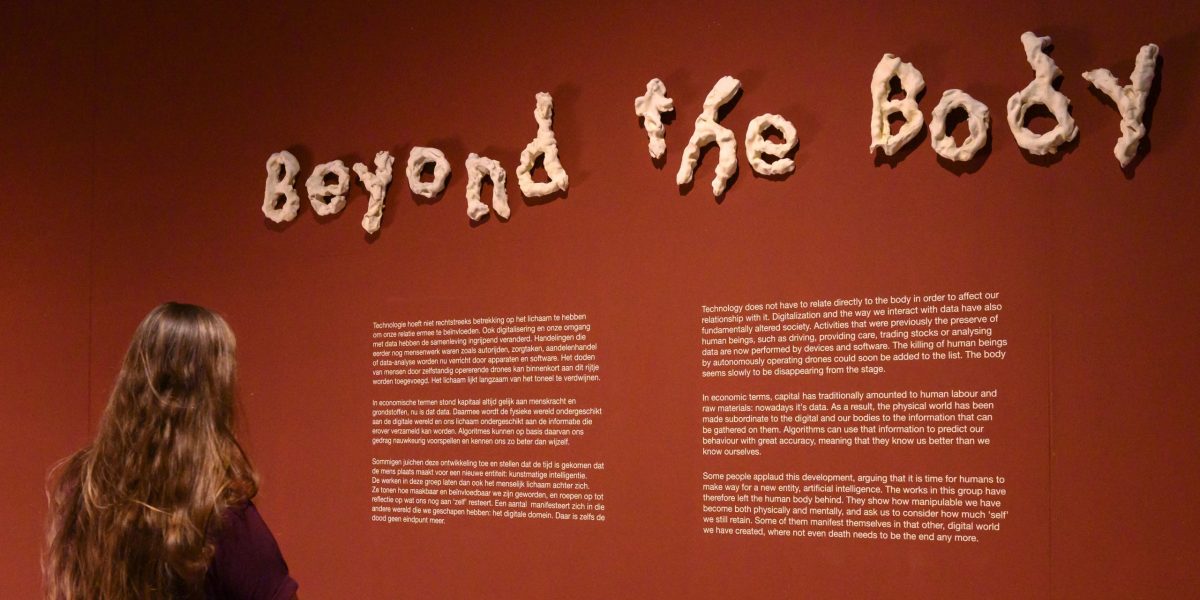
The works in the part ‘Beyond The Body’ of the exhibition BodyDrift have left the human body behind. They show how manipulable we have become both physically and mentally, and ask us to consider how much ‘self’ we still retain.
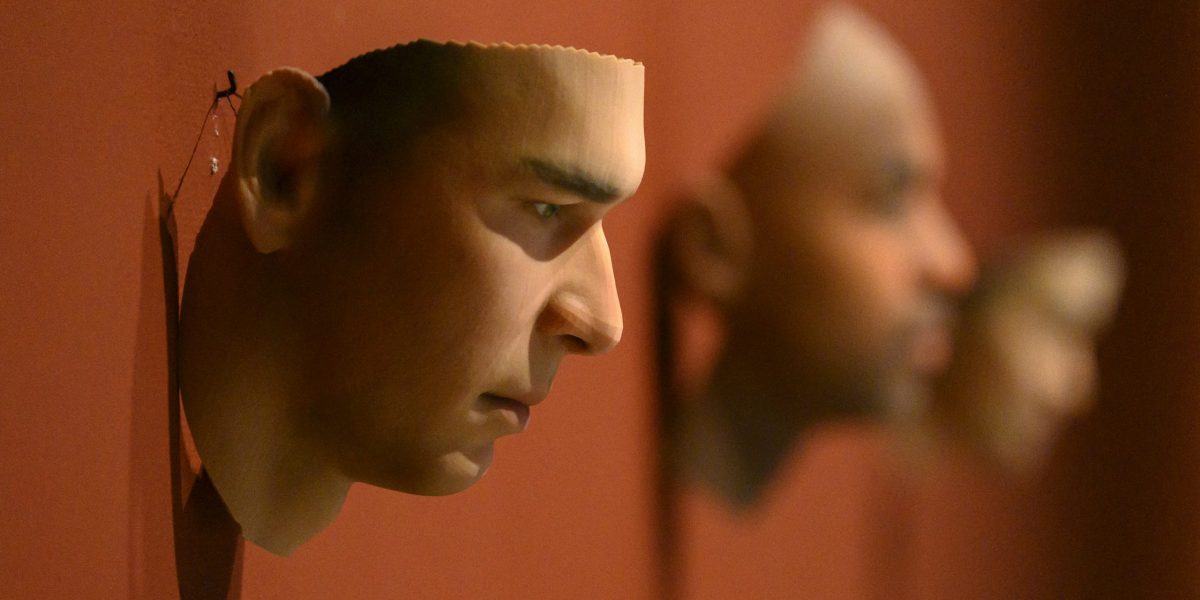
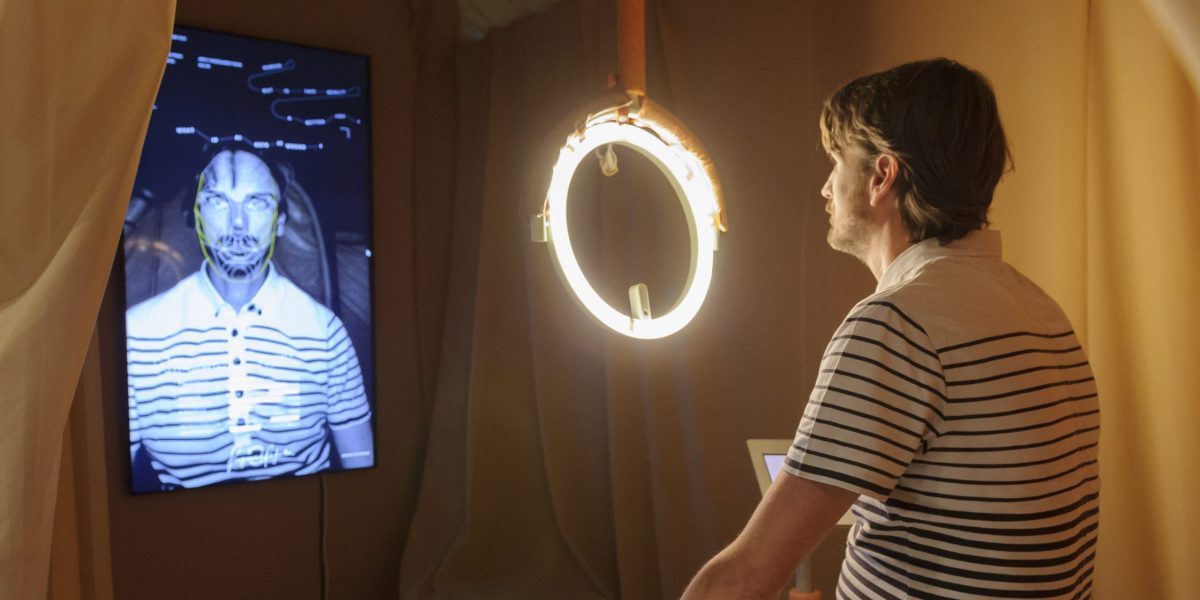
The body is becoming increasingly analysed and digitized, with and without our knowledge, steadily blurring the boundary between the private and public sphere. Explore ‘The Biometric Body’ in the exhibition BodyDrift – Anatomies of the Future.
Fredric Baas, curator of BodyDrift – Anatomies of the Future, spent two years researching the ‘posthuman’ theme. He shares the fruits of that research in this series of articles.
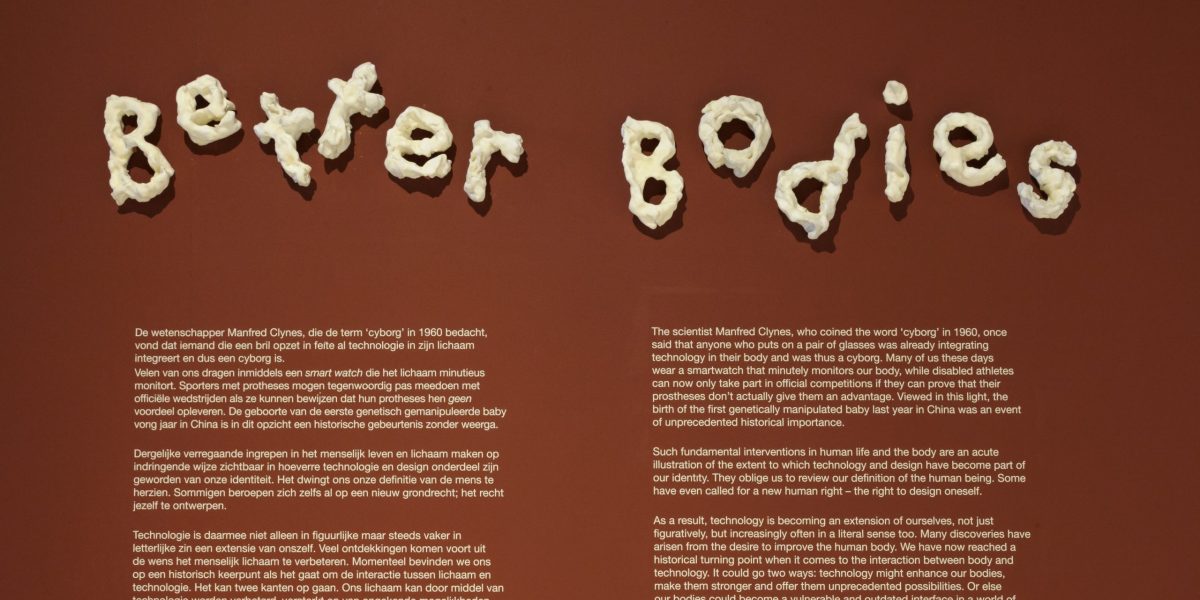
The works shown in the part ‘Better Bodies’ of the exhibition share a fundamental belief in the human body. The body is extended, embellished, defended or armed, ready to face the future.